There are multiple water shut-off valves in your home which regulate the water flow throughout your house but which is the main shutoff valve? Here are some tips on finding the main water shut off valve
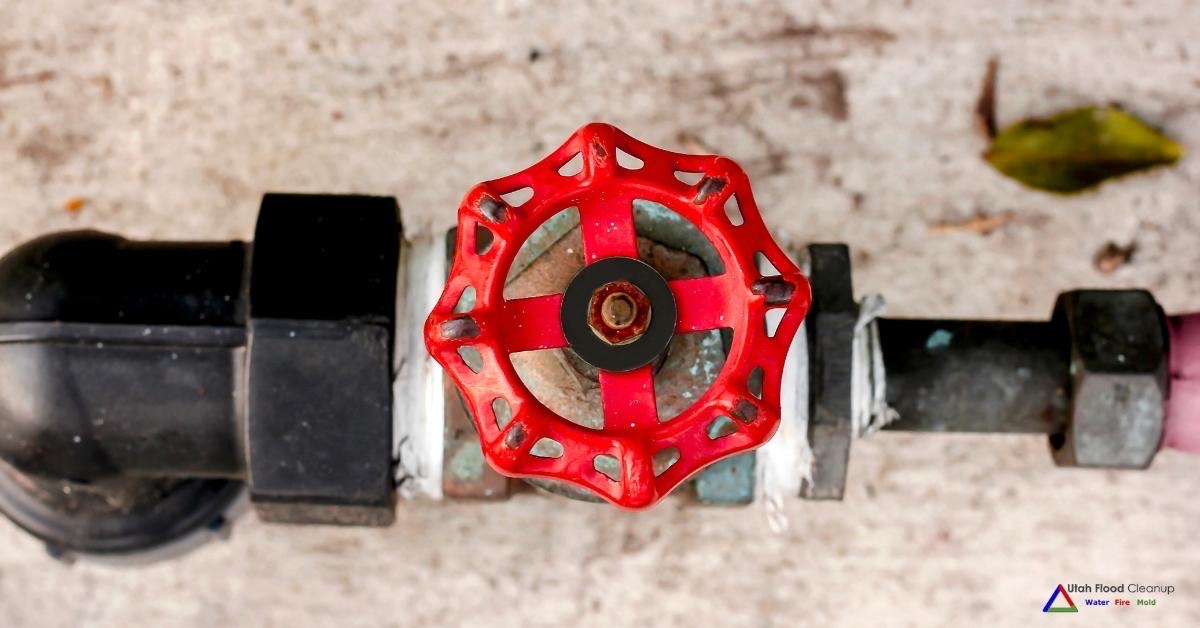
There are multiple water shut-off valves in your home which regulate the water flow throughout your house but which is the main shutoff valve? Here are some tips on finding the main water shut off valve
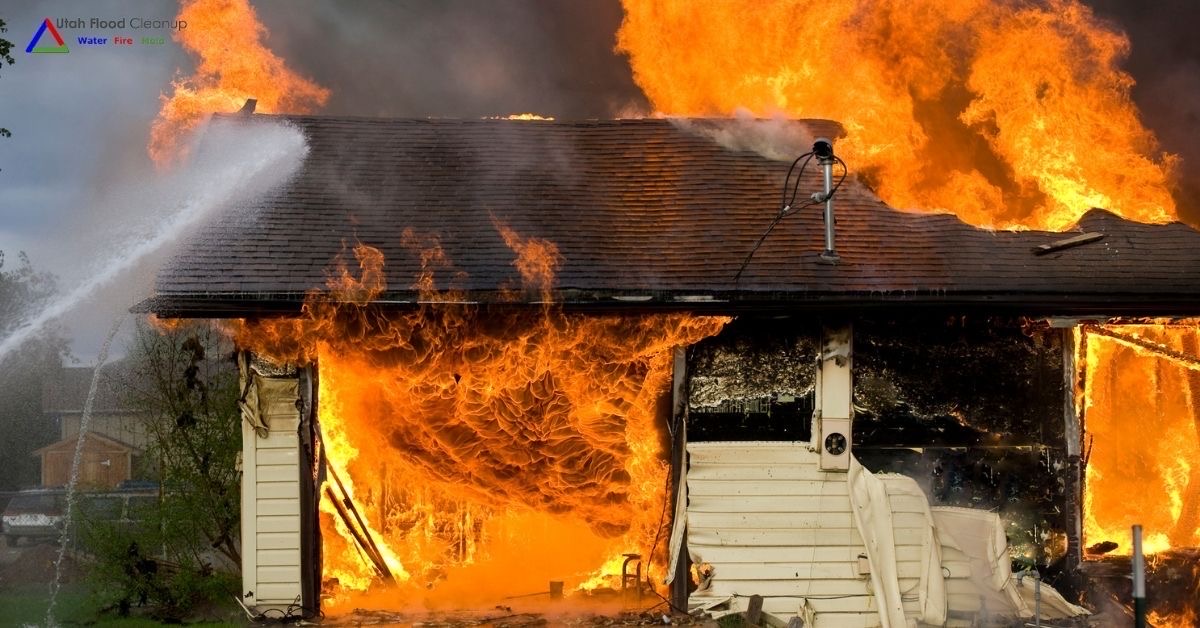
Many millions of homeowners have put in place multiple safety measures to protect their homes from a potentially disastrous house fire or flooding, but garages are often overlooked.
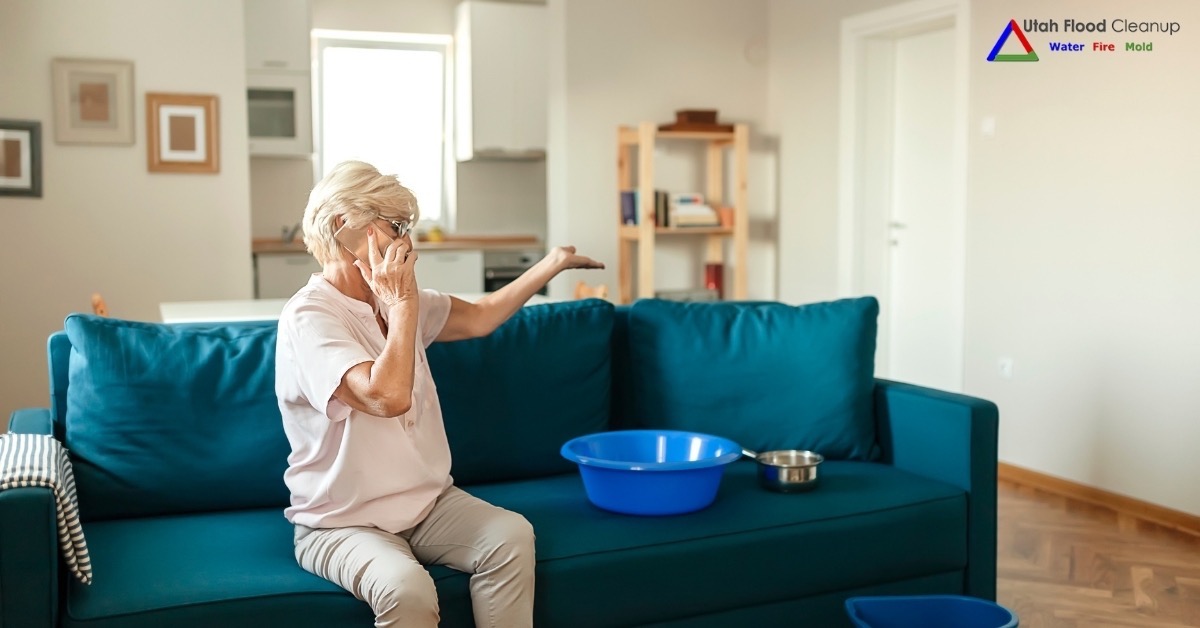
Leaks are common. Still, it’s usually startling to discover a water leak somewhere in your home. That’s understandable because common water leaks in houses are often responsible for extensive property damage that is very costly to repair. The good news is that you can prevent the most typical leaks by periodically inspecting the places where leaks are most frequent. Use the list below, provided by Utah Flood Cleanup, to conduct routine checks of areas in your home where a leak is most likely to happen.
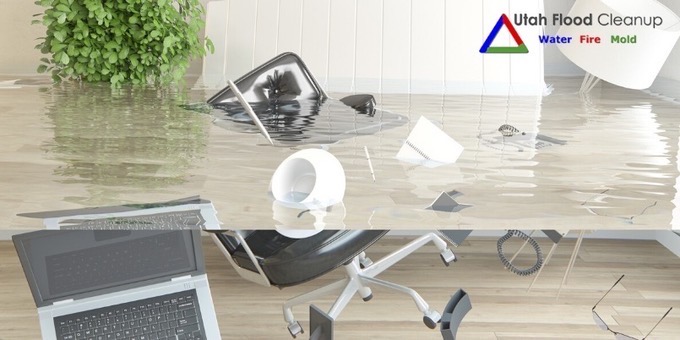
When to step into the office on a Monday morning after a long, relaxing weekend, the last thing you want to put your foot in is a wet carpet. No matter how well maintained your office building is maintained, it's possible you can have your office flooded at any time. From a window being left open on accident to a busted pipe, the immediate effects of water leakage in buildings are easy to notice.
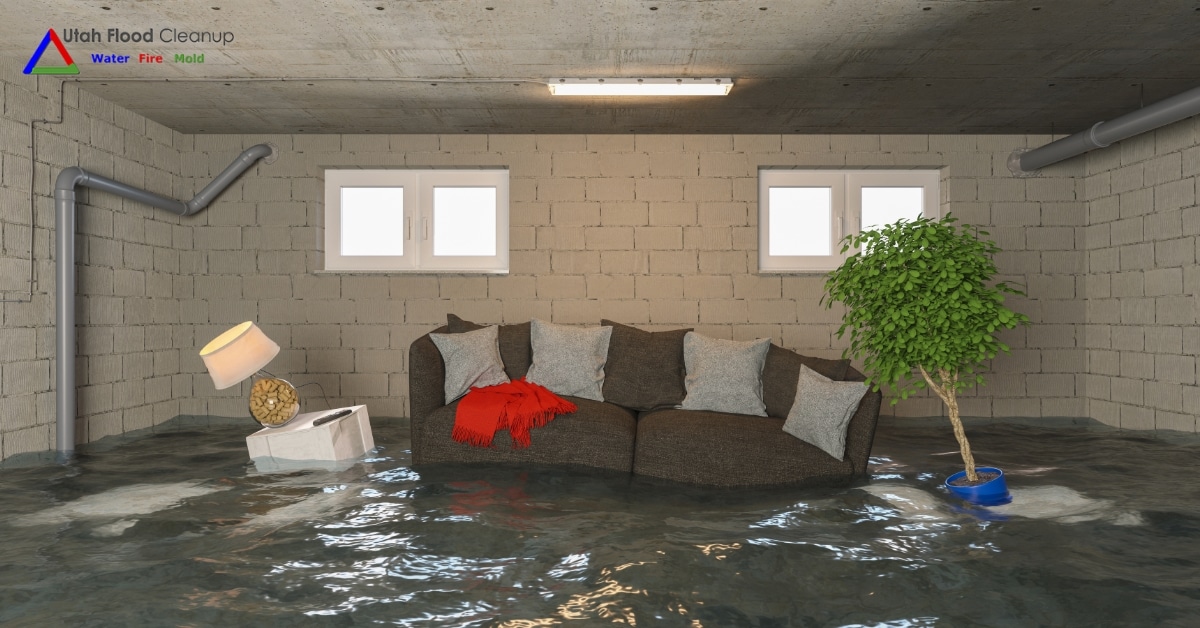
If you’ve experienced the devastation of a flooded basement and water damage, you want the best basement flooding clean up company in Utah by your side. Our experienced Utah Flood Cleanup professionals know a flooded basement can happen to anyone at any time. We are available 24/7 so we can handle these emergency situations and minimize as much water damage as possible. When it's your turn to call our flooded basement cleanup company, make sure you understand what your insurance company does and doesn't cover.
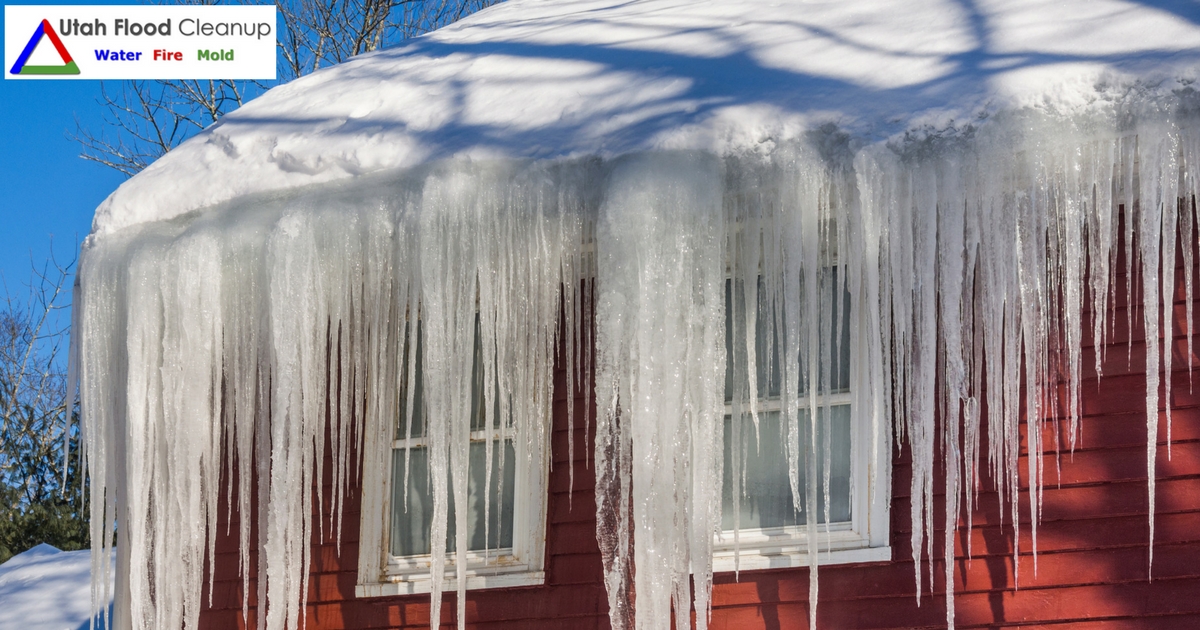
It’s winter in Utah and it’s cold and the snow is piling up on your roof. That may not sound threatening, but the danger is just around the corner, or in this case, just above your head.
Neighbor 1: What is an ice dam on a roof?
Neighbor 2: Damage waiting to happen!
When outside temperatures rise enough to warm the attic just below a typical sloping roof, the underside of the roof snow starts melting. The meltwater runs down the shingles of the roof to the eaves, the lower segment which stays cold because it extends below and beyond the warm surface above the attic. The water freezes on the eaves and starts forming a thick ice layer known as an ice dam.
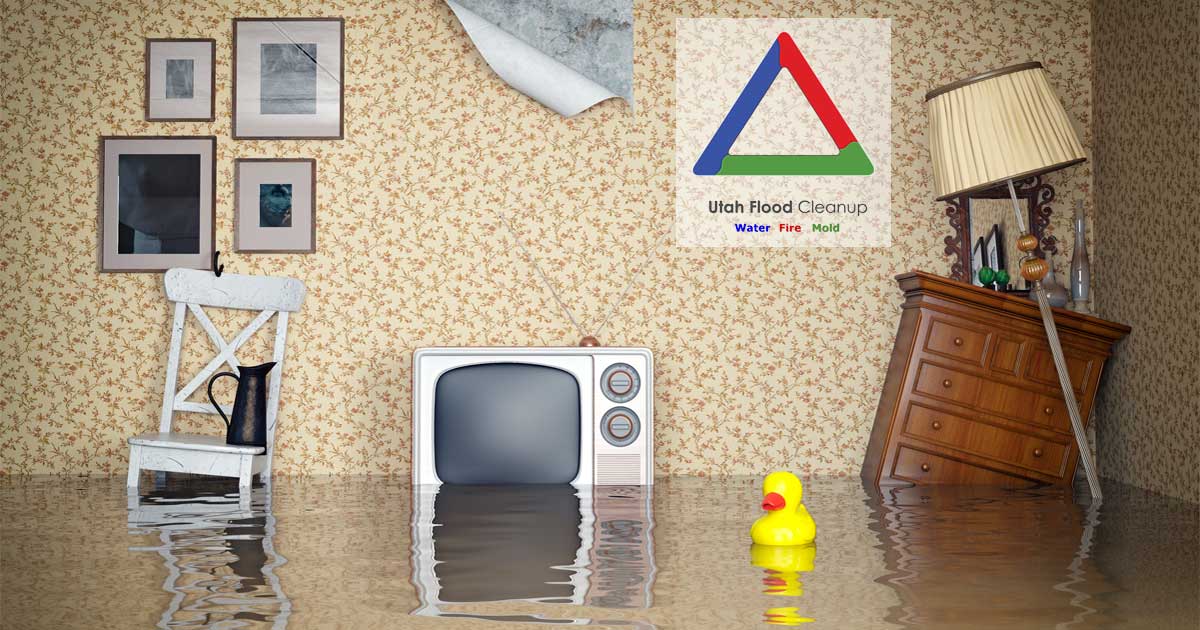
You don’t have to be near major water sources to experience flood damage. Besides the damage caused by ground water, you can also experience flood damage from extreme weather, appliance malfunctions or busted pipes.
One of the biggest issues plaguing homeowners who reside in colder climates, such as Utah, is having your pipes freeze in your home can be a very difficult disaster to manage. A problem that can spawn a laundry list of other issues, learning how to prevent and manage freezing pipes is essential knowledge for every homeowner.
Although it may not be immediately obvious, you can tell if your pipes are frozen in the following ways:
The first thing you'll want to do is turn off the main water valve. Most shut-off valves are somewhere in the basement, be sure to find out this information early on as when disaster strikes, you have very little time to shut off the valve.
Next, you'll need to check to see if any of the pipes are leaking. This can be done by listening for dripping, examining the basement, garage, and other crawl spaces to see if there is either ice or water dripping from any of the pipes. You can also check outdoor fixtures by holding a paper towel under them to check for moisture. This step is imperative, as trying to thaw frozen pipes that have sprung a leak, will cause insurmountable damage to your home.
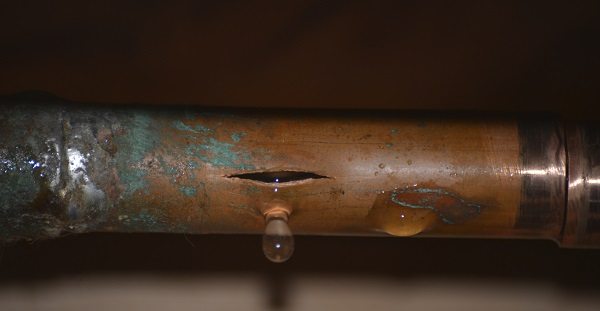
Luckily, with a bit of patience, you can thaw your own pipes, free of charge, in one of the following ways:
Once the pipe has been thawed, you may turn the water back on. Although this is a simple process, be sure to do so with the help of someone else as it helps to have someone around to alert you of dripping or bursting pipes.
If you discover that a pipe has burst, immediately turn off the main valve and open only the lowest hot/ cold faucets in your home. This will help drain the water and keep flooding at bay while you call a professional.
Now that you've fixed your frozen pipe issue, use the following tips to avoid this problem in the future.
Call us now at (801) 416-2666 and receive a FREE phone consultation and FREE inspection for insurance-covered water damage incidents.
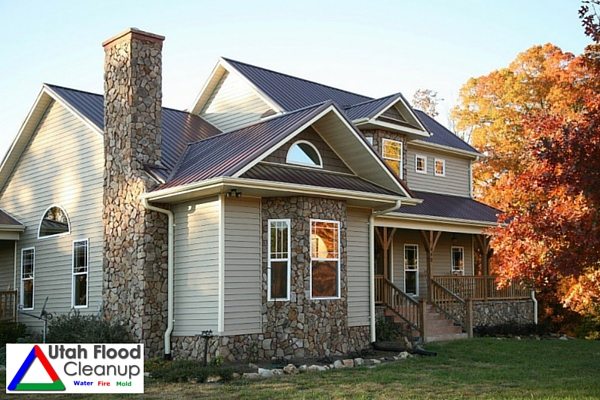
As the time comes to say goodbye to summer and usher in autumn, it’s important to be aware of how the weather can directly impact your home. One important fact you should know is that during the fall and winter months, your home can be at risk for water-related damage. Usually, this damage is caused by a leaking pipe or one that bursts due to the temperature changes. Not only is an incident like this not very fun, but it can result in thousands of dollars’ worth of damage to your home. Thankfully, you still have some time to prevent water damage before the cooler weather ushers in.
Here are five tips you might find helpful to prevent water damage:
The purpose of your gutter system is to channel water from rainstorms away from your home, so it doesn’t back up and cause water damage to the foundation of the house. To prevent clogged gutters, make sure you’re keeping your curb and storm drains free of leaves and other debris. It's important that water can flow easily away from your home.
Quick Tip: You can easily clean your gutters with a Wet/Dry Vacuum to streamline the process.
Utah is known for its chilly fall season and even colder winters, so it’s important you keep your water pipes insulated to avoid cracking or even worse—a burst pipe. One way to insulate your water pipes is using foam rubber insulation to avoid them freezing up during the winter. These are easy to install and just involve you cutting the foam rubber to fit the pipes and peeling away the adhesive to make it stick.
We also recommend locating your "stop tap" just in case your pipe bursts and you need to shut off the water quickly in order to eliminate additional water damage to the home.
Since you most likely will not be gardening during the winter months, it's important to disconnect your hose to avoid any water freezing within it. This will also prevent any water backup freezing into the pipes that lead into the house from the garden faucet. We suggest wrapping it up and storing it in the shed until spring to avoid any damage.
Whatever you do, don't turn off your furnace during the winter; you will be putting your pipes at risk for freezing. We recommend keeping your furnace set to at least 55 degrees at all times. If you aren't going to be home for an extended period, turn off your water and drain your lines.
While it's important to check your pipes, we also suggest checking out the caulking in your showers and sinks, as well as the intake valves for your washer and dryer to ensure there is no damage. You rather be safe than sorry.
If you're looking to be 100% sure that your pipes are properly insulated for fall, please don't hesitate to contact us. Our experts at Utah Flood Cleanup are simply a phone call away!

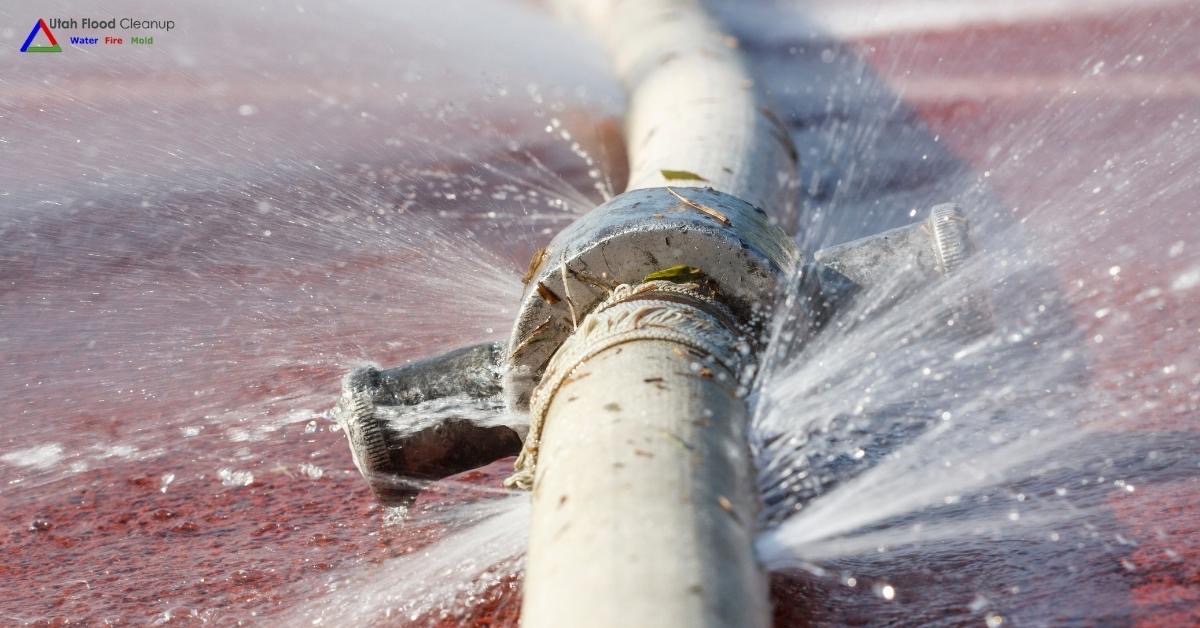
If you're one of the lucky ones and have never experienced a burst pipe, then count your blessings! Pipe bursting can cause a lot of water damage, so it's important to know what to do if it happens. Here are some tips on how to deal with a burst pipe.
Pipe bursting is a common occurrence, as roughly fifty million homeowners experience a burst pipe every year. One of the significant issues that burst pipes bring is that a 1/8 inch crack can easily lead to over 250 gallons of water flooding your home daily if left untreated. However, with each flood situation being different, each requires a unique solution.
Considering the collateral water damage that a burst pipe has to offer, it's crucial to take action once a piping problem occurs. Here's a step-by-step guide for halting damage from a burst pipe:
This is the first and most crucial step in avoiding further water damage to your home. Shutting down your main water supply stops all water throughout the home and makes it easier to repair the burst pipe. In some cases, you may have to turn off your main power switch if the leak is happening near an electrical source.
If the burst pipe routes from a hot water tank, close off the hot water valve to avoid water loss and possible injury.
If the pipe happens to be frozen, don't let it thaw.
Call a professional immediately once you shut off the water. This avoids further damage to your piping and property.
Take inventory of the damaged property from the burst pipe. Once this is accumulated, contact your insurance provider.
There are various causes of pipes bursting, but there are a few very common problems that lead to that kind of plumbing emergency. Most instances of pipes bursting do not occur suddenly without warning. So, monitor your home’s plumbing lines throughout the year, and especially keep an eye out for the most frequent risk conditions. Why do pipes burst?
Water freezes at 32 degrees Fahrenheit. When frozen water is in a pipe, it causes the pipe to contract, and the pipe can burst from the water pressure building in it. Even indoor plumbing lines may not be protected well enough from the risk of this situation.
Or, if indoor pipes run along a poorly insulated exterior wall, they are vulnerable to freezing and bursting. But, if external sections of pipes are wrapped and internal lengths run through a warm wall or basement space with effective insulation, they’re likely not at risk of freezing.
One way to detect a frozen pipe is to turn on the faucet and see if the water is running. If no water comes out of the faucet, first check other faucets. Then, inspect for a leak or burst pipe along the water lines from the faucets to the main water pipe coming into your home.
Severe summer temperatures outdoors or in high-heat utility areas with heavy use of water can cause weak pipes to burst. Routinely inspect, maintain, and reinforce water lines.
A clog blocks the flow of water and its release from the pipe. This can quickly lead to a buildup of excessive pressure. When the pressure becomes too high, the pipe can burst.
Pipes can become corroded due to rust, excessive calcium in the water, or oxidation. Over time, corrosion weakens the integrity of the pipe walls and can cause them to burst.
When temperatures around pipes change from cold to hot, the contracting and thawing lines may shift a little. Or, a pipe may become displaced a bit from being bumped during other pipe repairs, or shaken by extreme water pressure from large volumes of water running through it. If the shifting increases the pressure or jars a fitting loose, a breach can occur.
A pipe burst can cause property damage, and wastewater contamination, and leave you with a shocking water bill. So, it pays to pay attention to your plumbing system throughout the year. Even in plunging winter temperatures, you can take steps to keep your plumbing pipes from freezing and bursting. Here are some easy steps you can take to prevent pipe bursts:
Since a burst pipe isn't a rare situation for homeowners, there are a few facts for consideration regarding such issues. Such burst pipe facts are:
Provided the information above, a burst pipe brings a lot of trauma to a household. However, Utah Flood Cleanup is here to handle any water, flood, smoke, or fire situations that may have found their way to your home. Such services Utah Flood Cleanup offers are:
We’re your local experts in water damage repair and restoration. We quickly repair and restore your home to its condition prior to flooding. We provide Utah’s most efficient damage repair and restoration, so you can go back to enjoying your home again. We also provide expert mold abatement, often necessary after flooding in homes.



Customer Testimonials
Copyright 2026 © Utah Flood Cleanup | Privacy Policy | Sitemap | Designed by SEO Pros