If you’re in Utah and worried about mold in your home, especially the kind that affects your breathing, you’re not alone.
Whether it crept in after a flood or slowly spread behind your walls, toxic mold exposure is a silent threat that can seriously impact your health and safety.
In this post, we’ll walk you through exactly which molds are dangerous to breathe, what symptoms to watch for, and what to do if you suspect a problem in your home. This guide is designed explicitly for Utah homeowners who want peace of mind, safe indoor air, and expert assistance when they need it most.
What We’ll Cover:
- Why Breathing Mold Can Be Dangerous
- Types of Mold That Pose a Health Risk
- Warning Signs You Might Be Breathing Mold
- What to Do if You Suspect Mold in Your Home
- When to Call a Mold Removal Expert in Utah
- FAQs About Toxic Mold and Health Risks
Why Breathing Mold Can Be Dangerous
Not all mold is toxic, but some molds produce harmful spores and mycotoxins that can be extremely damaging when inhaled.
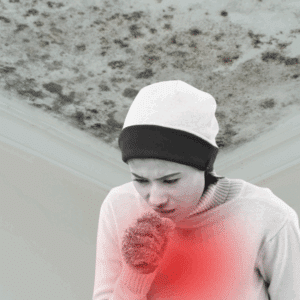
Breathing in mold over time can lead to:
- Chronic coughing or wheezing
- Fatigue or headaches
- Allergic reactions
- Respiratory infections or asthma flare-ups
Certain people are at higher risk, especially:
- Babies and young children
- Seniors
- People with compromised immune systems
- Individuals with asthma or allergies
According to the CDC, long-term mold exposure can contribute to lung infections like aspergillosis, especially when mold builds up indoors after water damage.
Types of Mold That Pose a Health Risk
Here are the most dangerous types of mold to watch out for in your home:

Stachybotrys chartarum (Black Mold)
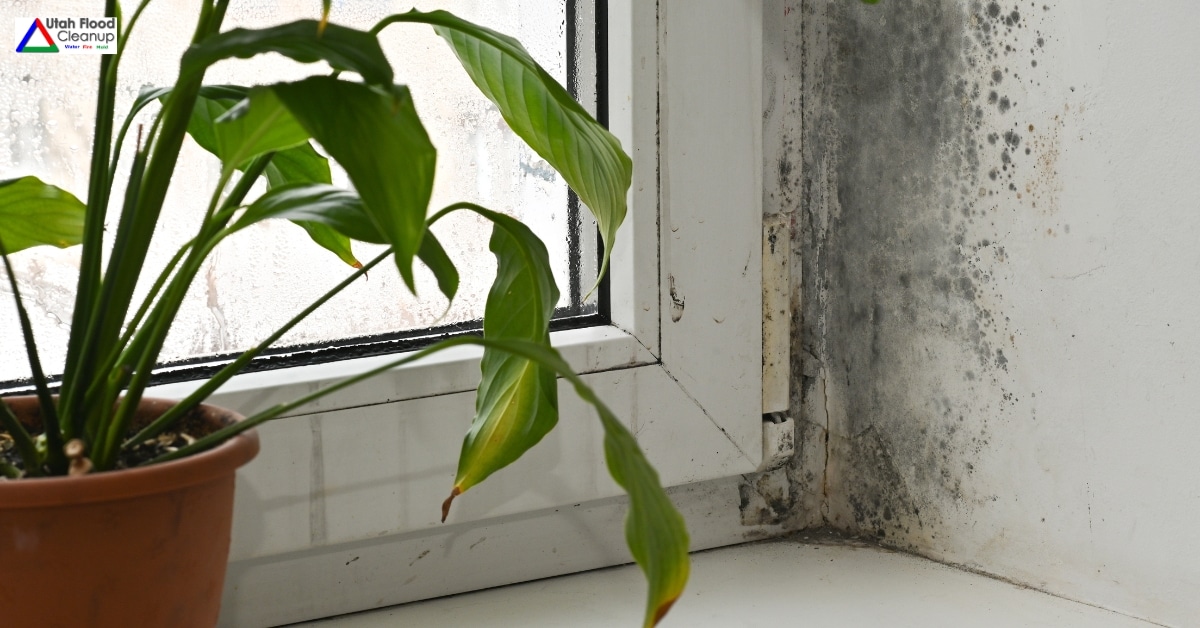
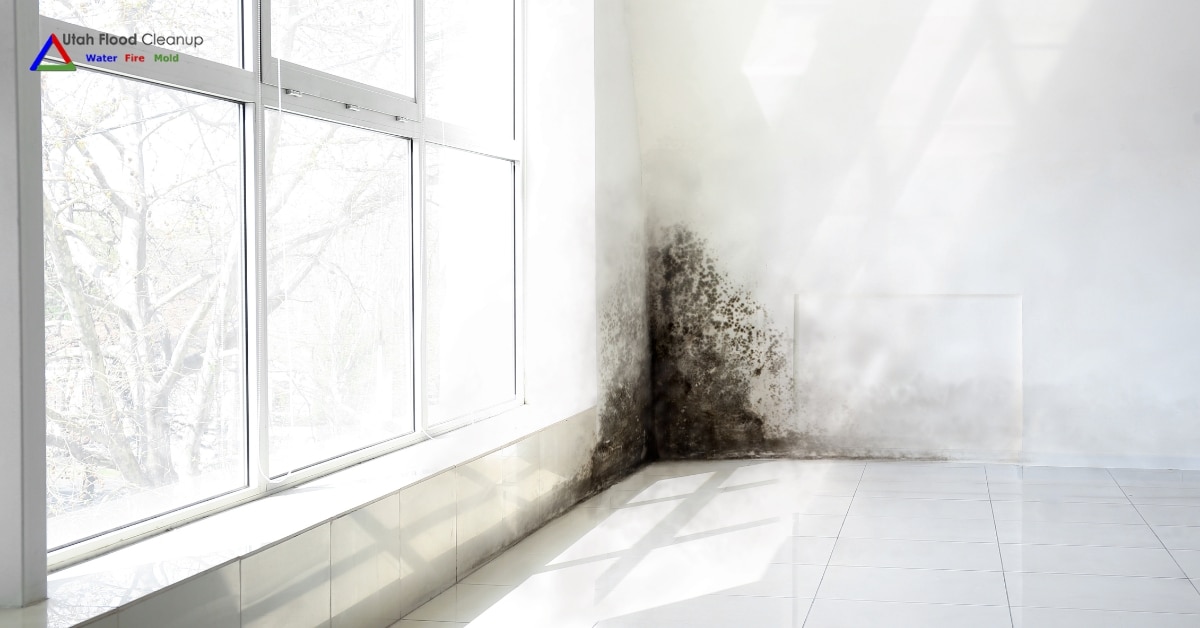
This greenish-black mold thrives on moist drywall, insulation, and wood. It’s known for producing mycotoxins linked to breathing issues, memory loss, and even pulmonary bleeding in infants.
Aspergillus
Common indoors and can cause aspergillosis, a lung infection especially dangerous for immunocompromised individuals.
Penicillium
Fast-spreading mold found in water-damaged homes, linked to sinus infections and inflammation.
Cladosporium
Can grow in cold areas (like HVAC systems) and causes skin, eye, and respiratory irritation.
Alternaria
Often found in damp bathrooms and kitchens, triggers asthma attacks and allergic reactions.
Knowing the type of mold is key to choosing the right removal strategy - and preventing future outbreaks.
Warning Signs You Might Be Breathing Mold
Mold exposure symptoms often mimic seasonal allergies, but persist even after allergy season ends.

Here are red flags:
- Persistent coughing or sneezing
- Shortness of breath or chest tightness
- Skin rashes or eye irritation
- Musty smell in your home
- Visible dark spots on walls or ceilings
- Increased asthma symptoms indoors
Mold doesn’t always show itself - it hides in walls, under carpets, and inside ducts. If you smell something “earthy” or “musty,” trust your nose.
What to Do if You Suspect Mold in Your Home
If you suspect dangerous mold, here’s your immediate action plan:
- Stop the moisture – Turn off leaking pipes, fix roof leaks, and ventilate damp areas.
- Don’t disturb it – Scraping or spraying mold can release more spores into the air.
- Avoid DIY with black mold – Store-bought sprays won't fully remove toxic strains.
- Schedule a professional mold inspection – Especially if someone in your home has allergies or breathing issues.
At Utah Flood Cleanup, we offer free inspections for insurance-covered mold events - and we’ll even help you file the claim.
When to Call a Mold Removal Expert in Utah
You should always call a professional if:
- You see black or dark green mold patches that cover more than 10 square feet.
- You experience unexplained health symptoms indoors.
- There has been a recent flood, sewage leak, or significant water damage.
- You’ve tried cleaning the mold, but it keeps coming back.
At Utah Flood Cleanup, we’ve helped hundreds of Utah families safely remove mold, improve indoor air quality, and restore their homes to health — all without upfront payment if insurance is involved.
FAQs About Toxic Mold and Health Risks
Is all mold dangerous?
No, but toxic species like Stachybotrys and Aspergillus can cause serious issues in sensitive individuals.
How long does it take for mold to make you sick?
It depends on exposure and health status. Some people feel symptoms within 24–48 hours, others after long-term exposure.
Will insurance cover mold remediation?
In many cases, yes - especially if mold results from a sudden water event. We offer help navigating your claim.
Protecting Your Home and Health with Utah Flood Cleanup
Breathing toxic mold can silently wreak havoc on your health, especially after water damage in your Utah home. But with early detection and expert cleanup, you can protect your air quality, your loved ones, and your peace of mind.
💧 Ready to take the next step?
Schedule your free mold inspection or contact our team for trusted, compassionate assistance - available 24/7.

- What Happens When A Pipe Bursts In Your Bathroom? - December 11, 2025
- What Type of Mold Should I Be Worried About? - December 10, 2025
- What Are Good Fire Prevention Tips for Holidays? - November 17, 2025