Water damage never strikes at a convenient time. One minute your home is fine—the next, you’re staring at soaked floors, bubbling walls, and the fear of mold creeping in. The panic sets in: “What do I do now?”
If you’re in Utah and facing unexpected water damage, you’re not alone—and you don’t have to figure it out on your own either.
This guide breaks down the immediate steps to take after water damage, helps you avoid costly mistakes, and shows you how to safely protect your home, health, and wallet.
Click to jump to section
Step 2: Stop the Source of Water (If You Can)
Step 3: Document Everything for Insurance
Step 4: Begin Safe Removal of Water-Damaged Items
Step 5: Call a Professional for Damage Restoration

Step 1: Ensure Safety First
Before anything else, protect yourself and your family.
⇒ Turn off power in affected areas (if it’s safe).
⇒ Avoid standing water near outlets or appliances.
⇒ Keep children and pets out of the area.
If the water damage is severe or near electrical sources, do not enter—call emergency services or a licensed pro.
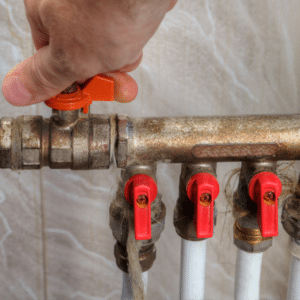
Step 2: Stop the Source of Water (If You Can)
Quick action can limit the extent of damage.
- Shut off the main water supply valve.
- If a pipe burst, locate the specific shutoff for that area.
- Block further seepage if flooding is coming from outside.
Can’t find the source? A restoration expert can help isolate and stop the intrusion safely.

Step 3: Document Everything for Insurance
Water damage claims depend on proof.
⇒ Take clear photos of the damage from all angles.
⇒ Record video walkthroughs showing affected rooms.
⇒ Note the time, date, and cause (if known).
At Utah Flood Cleanup, we help clients navigate insurance paperwork and even offer free inspections for insurance-covered events.
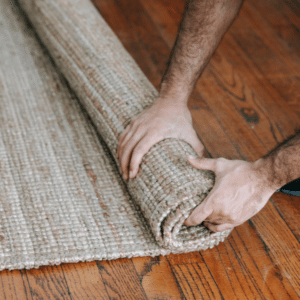
Step 4: Begin Safe Removal of Water-Damaged Items
To prevent mold and reduce further damage:
- Move undamaged belongings to dry areas.
- Wear gloves when handling wet materials.
- Remove saturated carpets, mattresses, and insulation.
Mold can begin forming within 24–48 hours, so don’t wait.
Step 5: Call a Professional for Damage Restoration

Here’s what you should expect from a full-service restoration provider:
⇒ Water extraction using commercial vacuums
⇒ Moisture mapping and drying equipment
⇒ Mold prevention and air scrubbing
⇒ Wall, floor, and structural restoration
At Utah Flood Cleanup, we offer:
⇒ 24/7 emergency response
⇒ Insurance direct billing (zero upfront cost)
⇒ Certified IICRC technicians
Explore our water damage restoration services here.
Why You Can Trust Us
At Utah Flood Cleanup, we’ve helped hundreds of Utah homeowners recover safely and quickly from water disasters. Our team is fully certified, and we handle the entire process from cleanup to dealing with your insurer (learn more).
FAQ Q1: How long does it take for mold to grow after water damage?
A: Mold can start forming in as little as 24–48 hours. Early drying and dehumidification are crucial.
Q2: Does homeowners insurance cover water damage?
A: It often does—but it depends on the source (burst pipe vs. flooding). We can help assess and file claims.
Q3: Can I clean up water damage myself?
A: For minor spills, yes. But for large-scale or contaminated water, professional help is strongly recommended to avoid health risks.
Q4: What should I remove first after a flood?
A: Start with electronics, furniture, and valuables. Then remove porous materials like carpets and rugs that can harbor mold.
Wrapping Up: What to Do Next
Water damage can be overwhelming—but with quick action and the right guidance, you can avoid bigger problems down the road.
Whether it’s a burst pipe, basement flood, or stormwater intrusion, these steps will help you regain control and minimize risk.
Looking for expert help in Utah? Contact Utah Flood Cleanup today for fast, friendly service that puts your safety first.Use these links and interlink relevant and important word/words, one link once, use full URL, do not change content:
Related Internal Linking
- Main Water Damage Restoration Service Page
- Signs of Mold After a Flood
- Fire & Smoke Damage: What to Know
- How Long Does It Take to Dry Out a Home After Water Damage?