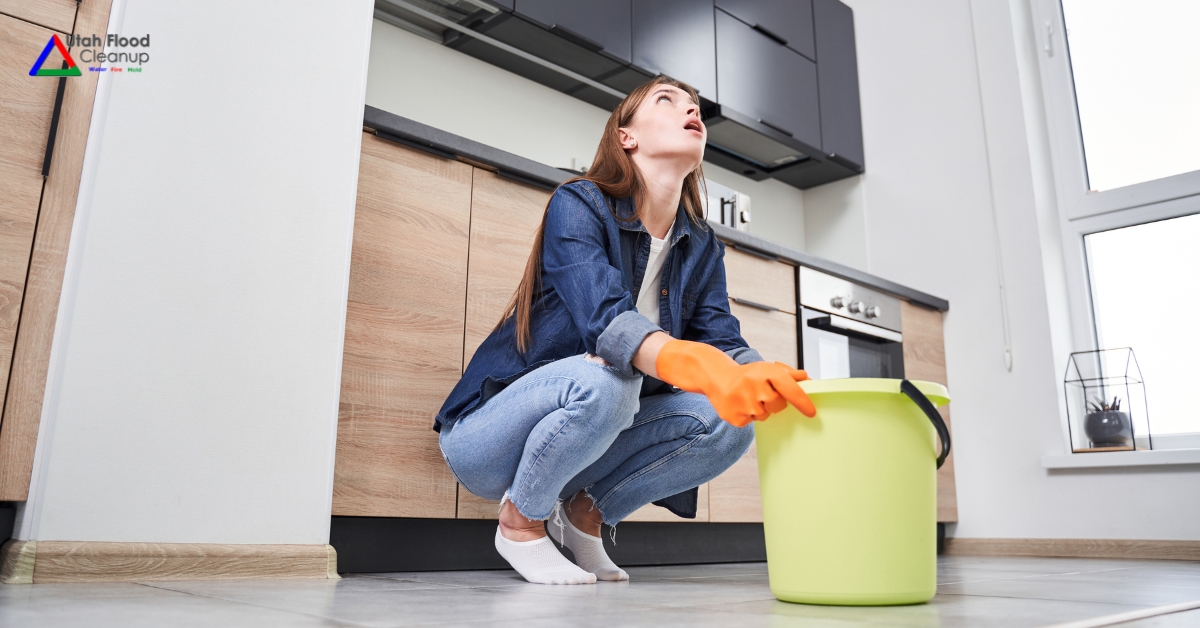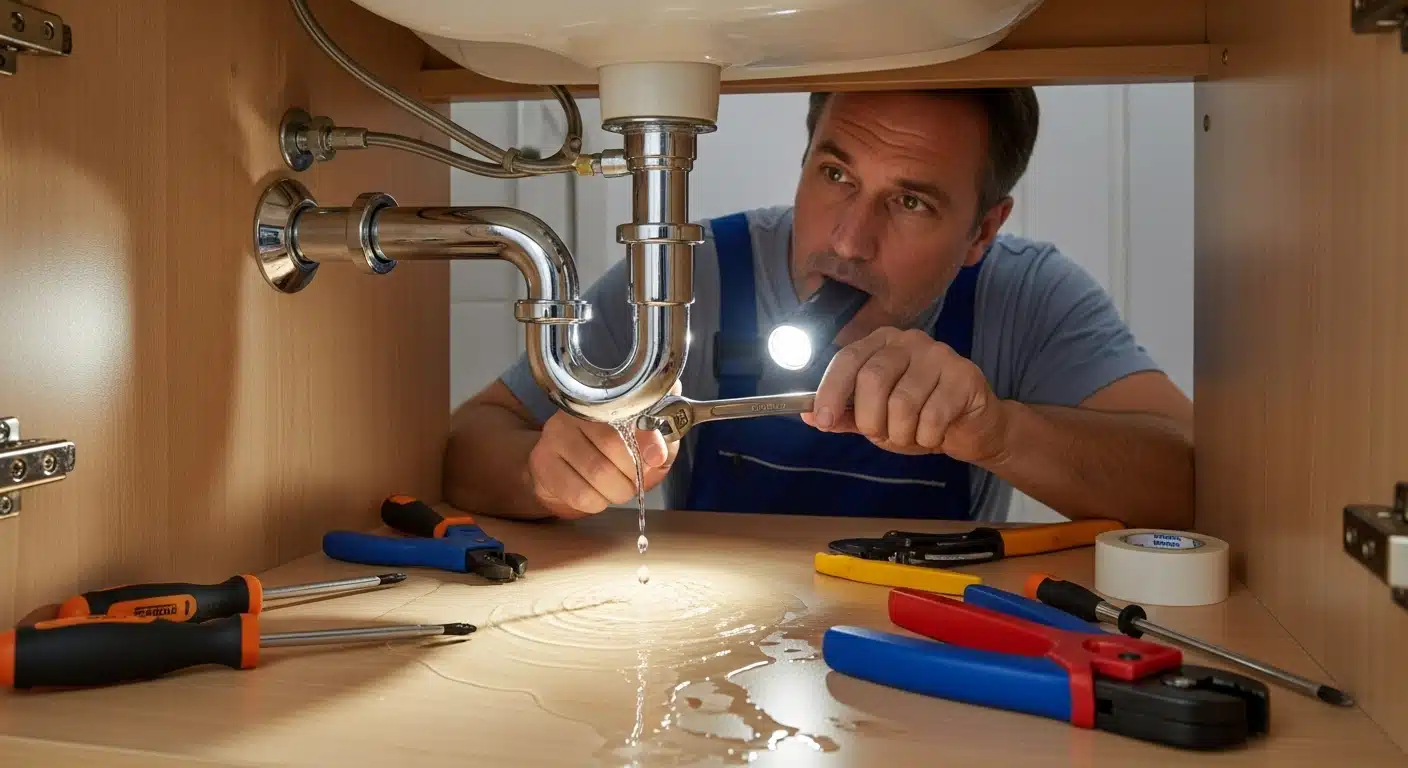
You hear a sudden hiss, then a rush of water. Within minutes, your bathroom floor is covered, water is creeping into the hallway, and panic hits.
If you are in Ogden or anywhere in northern Utah, this scene is more common than you might think. A burst bathroom pipe can turn a normal day into an emergency in under five minutes, and what you do next can decide whether you are looking at a minor repair or a massive restoration project.
In this guide, we will walk you through what actually happens when a bathroom pipe bursts, why it happens, why DIY usually makes it worse, and how professional plumbing and water damage restoration teams like ours step in to protect your home and your health.
What We’ll Cover:
- Why bathroom pipes burst and early warning signs to watch for
- What really happens in the first minutes and hours after a pipe bursts
- Why DIY fixes often backfire
- How professionals handle burst pipes and water damage restoration
- Smart steps to prevent future burst pipes in your bathroom
- How to get fast, professional help in Utah when a bathroom pipe bursts
Why Bathroom Pipes Burst In The First Place
Common Causes Of Burst Bathroom Pipes
Bathroom plumbing works quietly in the background, right up until it does not. Most burst pipe emergencies we respond to are not random. They come from problems that have been building for months or even years.
Some of the most common causes include:
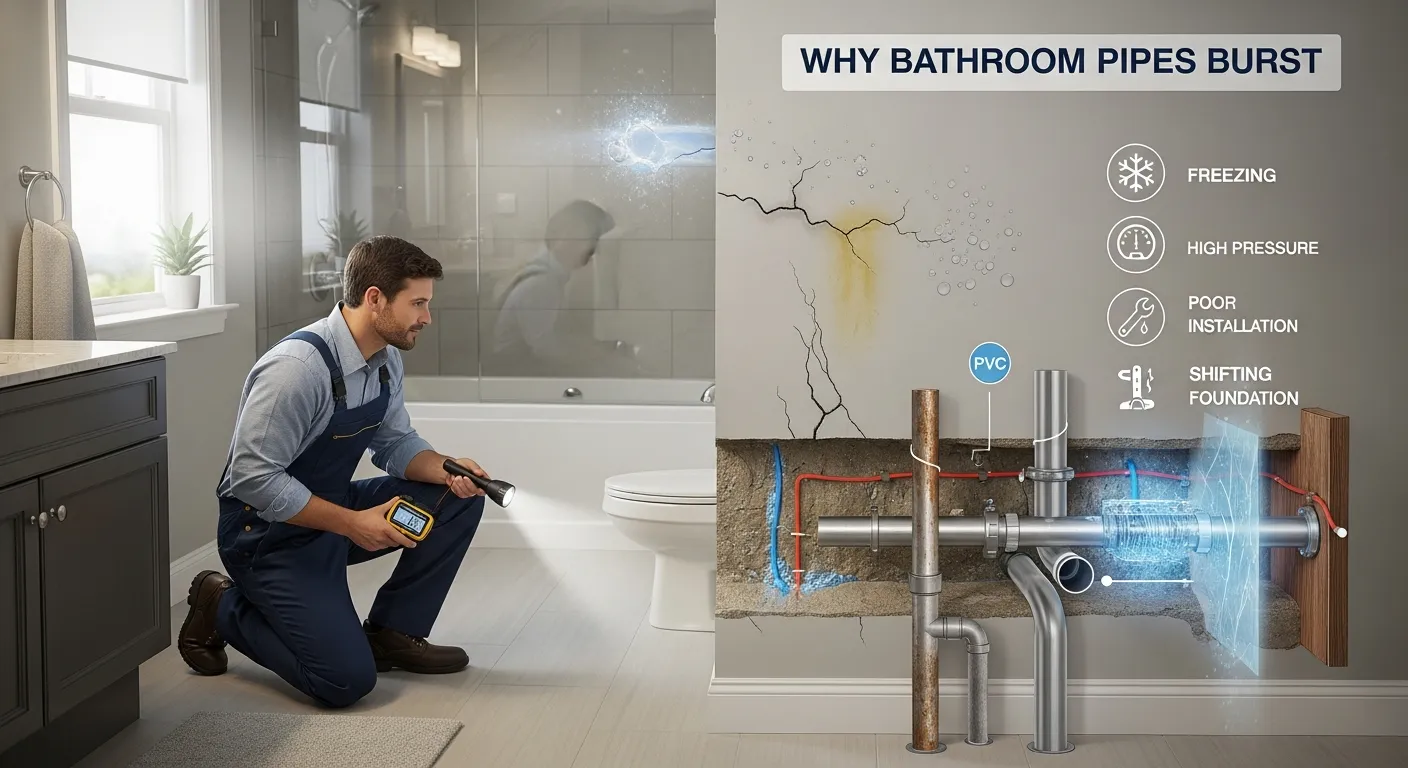
- Freezing temperatures that cause water in the pipes to expand and crack the line, especially in exterior walls or uninsulated spaces.
- Old or corroded pipes where metal has thinned out and can no longer hold normal water pressure.
- High water pressure that constantly stresses fittings and joints until something finally gives way.
- Improper installation or DIY plumbing that uses the wrong materials, poor connections, or weak joints.
- Shifting foundations or structural movement that slowly puts strain on rigid pipes.
We see a lot of burst lines in older Utah homes that were never updated, as well as in newer homes with cost-cutting plumbing work that simply was not built to last.
If your burst pipe was connected to an appliance like a toilet, sink, or tub, it may be worth reading about appliance leak water damage restoration to understand how those events start too.
Warning Signs Your Bathroom Plumbing Is At Risk
Rarely does a bathroom pipe fail with absolutely no warning. In many cases, the home has been giving small hints for weeks:
- Intermittent tapping, banging, or whistling in the walls when water is running
- Low water pressure at the sink or shower that comes and goes
- Rust colored water for a few seconds when you first turn on the tap
- Persistent damp or musty odors in the bathroom, even after cleaning
- Stains, bubbling paint, or hairline cracks on ceilings or adjoining walls
We always encourage homeowners to take these signs seriously. Issues like water damage inside walls often start quietly, and by the time the pipe actually bursts, the structure behind the scenes may already be compromised.
If you are seeing several of these warning signs at once, it is time to bring in a professional for a plumbing and water damage inspection before things escalate.
What Actually Happens The Moment A Pipe Bursts
How Quickly Water Damage Can Spread
When a pipe bursts in your bathroom, water does not politely stay on the tile. In the first 15 to 30 minutes, here is what typically happens:
- Water pours out under full pressure and spreads across the bathroom floor.
- It starts seeping under baseboards, into adjacent rooms, and through any gaps.
- If the bathroom is upstairs, water can penetrate the subfloor and drip into the ceiling below.
Within a few hours, you can be dealing with saturated insulation, swelling cabinets, and wet electrical boxes. This is why our 24/7 emergency water damage services are built around rapid response. Every minute that water runs or sits in hidden spaces increases both cost and damage.
Hidden Dangers Behind Walls, Floors, And Ceilings
The visible puddles are the tip of the iceberg. The real damage is usually out of sight:
- Soaked insulation loses its effectiveness and holds moisture against wood framing.
- Drywall acts like a sponge, wicking water up the wall several feet above the initial puddle line.
- Wood studs and subflooring can begin to swell, warp, and eventually rot.
- Ceilings below can sag, crack, or even collapse if enough water pools above them.
Our team has handled many burst pipe jobs where the bathroom looked "not too bad" at first glance, but moisture readings told a different story. That hidden wetness is exactly what leads to secondary damage and longterm issues.
If you want a deeper look at these risks, we break it down in Water Damage Is A Serious Issue.
Health And Safety Risks You Cannot Ignore
A burst bathroom pipe is not only a structural problem. It can quickly become a health and safety concern:
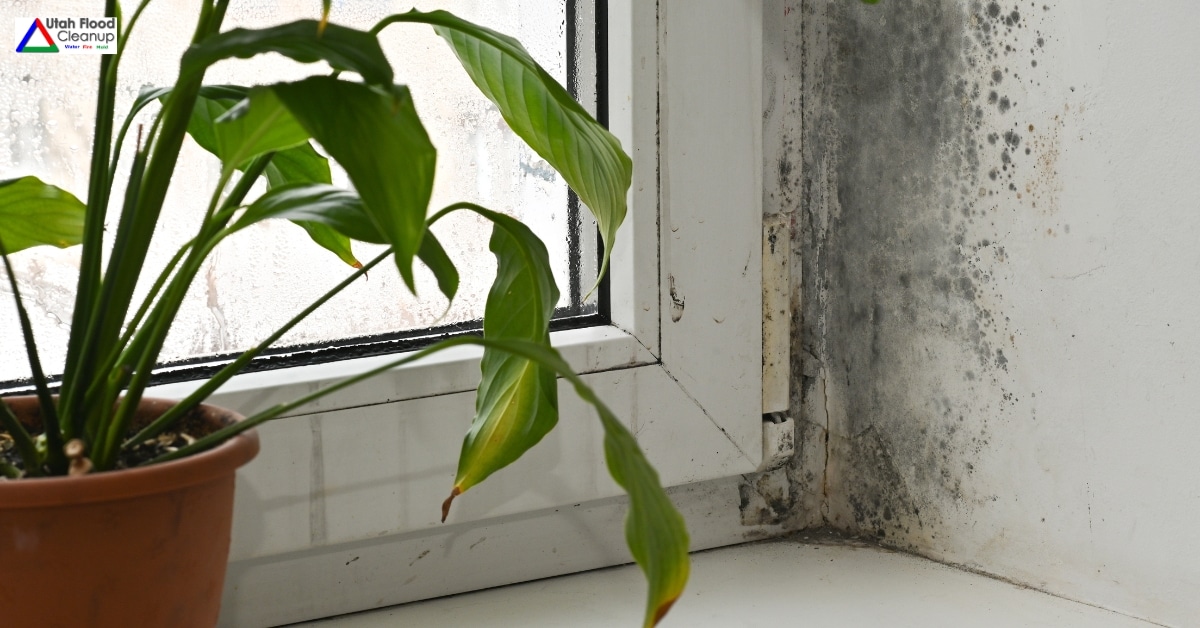
- Mold growth can begin within 24 to 48 hours in damp materials.
- Bacteria and contaminants from bathroom drains can mix into the water.
- Electrical hazards can appear when water reaches outlets, switches, or fixtures.
- Slip and fall risks increase on slick tile and wet floors.
Ongoing moisture from a burst bathroom pipe is a major trigger for mold issues. We see the connection all the time in our mold from water damage projects.
This is why our response to a burst pipe is never just "dry it out a little and you are fine." We look at structural safety, air quality, and longterm health.
Why DIY Fixes Usually Make A Burst Pipe Situation Worse
Short Term Quick Fixes That Lead To Bigger Problems
In the chaos of a burst bathroom pipe, it is tempting to grab towels, tape, or a clamp and call it good once the obvious water stops. We understand the urge to handle things yourself, but we have seen how those quick fixes play out.
Common DIY problems include:
- Only drying what you can see, leaving wet insulation, framing, and subfloor untouched.
- Using household fans that simply blow humid air around instead of actually pulling moisture out of materials.
- Trying to patch or tape the broken section of pipe instead of replacing the damaged portion correctly.
- Ignoring or missing water that has migrated into adjoining rooms or levels of the home.
The result is usually one of two outcomes: mold shows up weeks later, or the same pipe fails again and causes a second, often worse, flood. Our article on the dangers of DIY water damage restoration goes into more detail on why the wrong approach can cost far more in the long run.
Hidden Code, Insurance, And Liability Issues
There is another side to DIY burst pipe fixes that most homeowners do not learn about until they are in a dispute.
Improper or unpermitted plumbing work, incomplete drying, or skipped documentation can all:
- Give your insurance company a reason to reduce or deny coverage.
- Create code violations that show up when you go to sell your home.
- Shift liability onto you if someone later gets sick due to mold or a chronic moisture problem.
We work directly with insurers every day, and we know how important it is to have a properly documented professional response. If you want to understand this side better, our guide on why you should not hire your insurance company's preferred vendor explains how to protect your interests while still getting expert help.
How Professional Plumbers Handle A Burst Bathroom Pipe
In a real emergency, you need two things: a qualified plumber to stop and repair the leak, and a professional restoration team to clean up the water damage correctly. We coordinate closely with both so your bathroom is safe, dry, and fully restored.
Emergency Assessment And Water Shutoff
When you call us after a burst bathroom pipe, the first priority is stopping the flow of water and stabilizing the space.
Typically, professionals will:
- Ask a few quick questions about where the water is coming from and how much there is.
- Guide you to the main water shutoff valve if you have not turned it off yet. If you are unsure where that is, our resource on finding your water shut off valve is a must read.
- Check for electrical hazards or ceiling sagging before anyone walks into heavily affected areas.
At the same time, our water damage restoration team begins planning extraction, drying, and protection of unaffected rooms.
Locating The Break And Stopping Ongoing Damage
Once the scene is safe and the main water is off, the next steps are to locate the exact break and prevent further spread.
This may include:
- Opening small access points in walls or ceilings to physically inspect the pipe run.
- Using moisture meters and infrared cameras to map out where the water traveled.
- Performing targeted water extraction from floors, walls, and ceilings.
We often use the same methods described in our burst pipe water damage restoration in Ogden and Salt Lake City services: controlled demolition where needed, aggressive but safe drying, and ongoing monitoring.
Permanent Repairs, Drying, And Restoration Coordination
After the broken section of pipe is repaired by a licensed plumber, the restoration phase is just as important.
Our water damage experts:
- Use professional extraction equipment to remove as much water as possible, as quickly as possible.
- Set up high capacity dehumidifiers and air movers to pull moisture from walls, floors, and cavities.
- Remove unsalvageable materials like saturated drywall, insulation, or damaged flooring.
- Coordinate with you and your insurer on repairs and rebuild, including flooring, cabinets, and finishes.
You can see how this fits into our larger water damage restoration process and our residential water damage cleanup in Ogden and Salt Lake City services. The goal is not just to dry things out but to return your bathroom to a clean, safe, pre-loss condition.

Preventing Future Burst Pipes In Your Bathroom
Plumbing Upgrades That Reduce Your Risk
After living through one burst bathroom pipe, most homeowners tell us the same thing: they never want to deal with that again. The good news is that there are practical steps to reduce your risk.
A qualified plumber and restoration professional may recommend:
- Replacing aging galvanized or corroded lines with modern materials.
- Adding insulation around pipes in exterior walls or unconditioned spaces.
- Installing a pressure regulating valve if your home's water pressure is too high.
- Adding accessible shutoff valves for individual fixtures in the bathroom.
In colder seasons, our guidance on preventing and dealing with frozen water pipes and water damage restoration from frozen pipes in Utah becomes especially important.
Ongoing Maintenance And Professional Inspections
Prevention is not a one time project. It is an ongoing habit.
We recommend:
- Paying attention to new noises, stains, or odors around your bathroom.
- Having a professional inspection if you notice recurring moisture or discoloration.
- Scheduling periodic checks in older homes or homes with a history of leaks.
If you are unsure what to look for, our guide on examples of common water damage events in Utah homes is a helpful starting point. For bathrooms with previous leaks, combining plumbing upgrades with mold inspection or mold testing can give you peace of mind that hidden problems are not brewing behind the tile.
Get Professional Help Now For A Burst Bathroom Pipe
What To Do While You Wait For The Plumber To Arrive
When a bathroom pipe bursts, your first actions should always focus on safety and limiting immediate damage, not on repairs.
While you wait for a licensed plumber and our restoration team, we typically guide homeowners to:
- Shut off the water at the main valve if it is safe to reach.
- If safe, shut off power to affected areas where water is near outlets, lights, or the breaker panel.
- Keep family members and pets away from saturated ceilings or rooms with standing water.
- Take a few photos or short videos of the damage for insurance documentation.
If you want a detailed walkthrough of these first steps, our article what to do when a pipe bursts is a helpful companion to this guide, along with what should I do immediately after water damage.
Why Calling A Professional Immediately Protects Your Home
Every burst bathroom pipe is an emergency. Quick, professional action protects more than just your flooring.
When you call us right away, we can:
- Stop the water, stabilize the space, and prevent additional rooms from being affected.
- Start professional extraction and drying before mold has a chance to take hold.
- Document damage and repairs in a way that helps support your insurance claim.
- Coordinate the process from emergency response to full restoration, so you are not juggling multiple contractors alone.
If you are in Ogden or nearby areas and wondering who to call for water damage, our guide who do I call for water damage in Ogden walks through exactly how we help.
A burst bathroom pipe feels overwhelming in the moment, but it does not have to define your home. With fast, expert help, your bathroom can be safely dried, repaired, and restored.
Related reads:
- Learn more about burst pipe restoration in Ogden and Salt Lake City
- Explore our Utah water damage restoration process
- Understand the link between water damage and mold growth
- See how we handle flood damage and professional cleanup
- Browse more insights on our Utah Flood Cleanup blog
Key Takeaways
- When a pipe bursts in your bathroom, water can spread from the bathroom to adjacent rooms and even ceilings below within minutes, causing significant hidden damage in walls, floors, and insulation.
- Early warning signs like strange pipe noises, rust-colored water, musty odors, and wall or ceiling stains often appear before a burst, and addressing them quickly can prevent a full-blown emergency.
- DIY fixes after a bathroom pipe burst usually leave trapped moisture, increase mold risk, and can create insurance, code, and liability problems down the line.
- Professional plumbers and water damage restoration teams stop the water, safely access and repair the break, perform thorough extraction and structural drying, and document everything for your insurance claim.
- To reduce the chances of what happens when a pipe bursts in your bathroom, upgrade aging or exposed pipes, add insulation and pressure regulation, and schedule regular professional inspections—especially in older or Utah homes.
- If a bathroom pipe bursts, shut off the main water, cut power to affected areas if safe, keep people away from saturated areas, document the damage, and call a professional immediately to limit structural and health risks.
Frequently Asked Questions About Burst Bathroom Pipes
What happens when a pipe bursts in your bathroom?
When a pipe bursts in your bathroom, water escapes under full pressure, quickly flooding the floor and seeping under baseboards and into nearby rooms. In upstairs bathrooms, it can soak the subfloor and ceiling below, saturate insulation, and damage drywall, cabinets, and electrical components within the first few hours.
What should I do immediately when a bathroom pipe bursts?
First, shut off the main water valve if it’s safe to reach. If water is near outlets or fixtures, turn off power to the affected areas. Keep people and pets away from wet ceilings or standing water, and take photos or short videos for insurance before professionals start extraction and repairs.
How do professionals handle water damage after a burst bathroom pipe?
Professionals start by stopping the leak and assessing safety risks. They locate the pipe break, map where water has traveled with moisture meters or infrared cameras, and perform targeted extraction. Then they use commercial dehumidifiers and air movers, remove unsalvageable materials, and coordinate repairs to return the bathroom to pre-loss condition.
How can I prevent a pipe from bursting in my bathroom?
Prevention includes replacing old or corroded pipes, insulating plumbing in exterior walls or unheated spaces, and installing a pressure-regulating valve if your water pressure is high. Adding accessible shutoff valves and scheduling periodic inspections—especially in older homes or those with past leaks—also helps catch problems before a pipe bursts.
Does homeowners insurance cover damage when a pipe bursts in your bathroom?
Most homeowners policies cover sudden and accidental water damage from a burst pipe, including cleanup and necessary repairs. However, they often exclude long-term leaks, pre-existing damage, or DIY work that violates code. Proper documentation and a professional, well-documented restoration process greatly improve your chances of a smooth claim approval.

- What Happens When A Pipe Bursts In Your Bathroom? - December 11, 2025
- What Type of Mold Should I Be Worried About? - December 10, 2025
- What Are Good Fire Prevention Tips for Holidays? - November 17, 2025