Understanding Which Mold Truly Puts Your Home at Risk
If you have spotted dark spots on a wall, musty odors creeping through a room, or you are waking up congested, there is a good chance you are wondering if mold is the culprit. And here is the thing: most homeowners do not know which molds are simply annoying and which ones can threaten their health and home.
If you are in Ogden or anywhere in Northern Utah and dealing with suspicious growth after a leak, flood, or humidity buildup, you are not alone. This guide breaks down the types of mold that deserve attention, how to tell what you are looking at, and when it is time to get professional help.
What We’ll Cover:
- The most concerning molds found in Utah homes
- How to tell if a mold is dangerous
- Where harmful mold grows and why
- Steps to take if you see or smell mold
- When to call a professional
- Answers to common mold questions
The Mold That Deserves the Most Attention
Let us start with the answer people want first. The molds you should worry about fall into a short list because of their health effects and how fast they spread.
Black Mold (Stachybotrys)
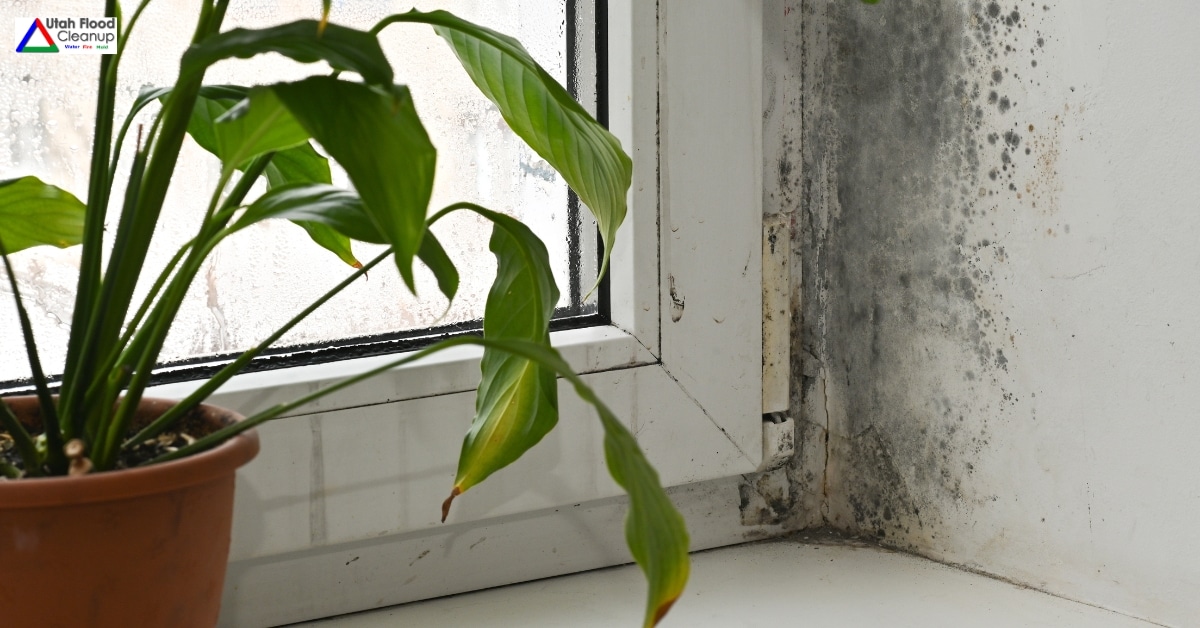
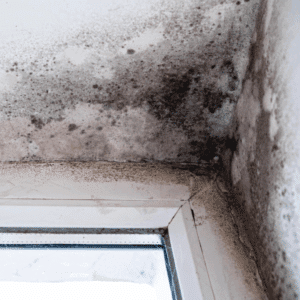
This is the one most homeowners recognize by name. It thrives in places with long term moisture problems like basements, behind walls, under sinks, or anywhere a leak has gone unnoticed. When you see or suspect black mold, you should not ignore it.
You will know something is wrong when the area smells musty, feels damp, or the mold is dark green to black with a slimy texture. Black mold can cause headaches, breathing issues, fatigue, and irritation for kids and seniors.
If you find something that looks or smells like this, avoid touching it and avoid scrubbing. Disturbing toxic mold spreads spores quickly.
Aspergillus
This mold grows in dust, HVAC systems, and water damaged areas. It shows up in many colors and tends to spread fast.
People with asthma or weakened immune systems can react strongly to Aspergillus. If you are noticing more sneezing, coughing, or allergy like symptoms at home, this mold could be the reason.
Penicillium
Often bright blue or green, Penicillium grows on walls, insulation, carpet, and furniture after water damage.
This mold spreads easily through the air. A strong musty odor is usually the first sign. Homeowners often ignore it because the color looks less threatening, but Penicillium can cause sinus infections and long lasting respiratory issues.
Cladosporium
This mold appears black, brown, or olive and can grow in cooler environments compared to others. You might see it on wood, fabrics, carpets, or HVAC vents.
Cladosporium can trigger allergies and skin irritation. If it is around vents, it often means the system has been circulating contaminated air for weeks or months.
Alternaria
Common after flooding or leaks, Alternaria usually shows up near windows, in bathrooms, kitchens, and on damp walls. It spreads fast and causes allergy like reactions such as coughing and sneezing.
Chaetomium
This mold is a sign of serious water damage. It starts white and turns grey, brown, then black. It has a cotton like texture and thrives behind walls and floors.
Chaetomium carries a strong odor and can weaken building materials over time.
How To Tell If The Mold In Your Home Is Dangerous
Most homeowners do not need a microscope to know something is wrong. You just need to look for a few key signs.
The Mold Has a Strong, Musty Smell
A powerful damp odor usually means one thing: active mold behind walls or under flooring. Smell often reveals hidden mold faster than sight.
The Mold Appears Slimy, Dark, or Spreading Quickly
Toxic molds often look shiny or wet. They spread in tight clusters and grow in areas where moisture has been present for a long time.
You Notice Health Symptoms Getting Worse At Home
Common red flags:
- Constant coughing or sneezing
- Itchy or watery eyes
- Worsening asthma symptoms
- Headaches or fatigue
- Trouble breathing
If symptoms improve when you leave the home, mold is likely part of the problem.
The Area Had a Leak, Flood, or High Humidity
Any past water intrusion increases your risk of harmful mold. Areas like basements, crawl spaces, bathrooms, kitchens, and laundry rooms need regular attention.
Where These Harmful Molds Usually Grow In Utah Homes
Utah’s climate creates some unique mold challenges. Dry summers, swamp cooler usage, cold winters, and snow melt create moisture swings that mold loves.
Common hotspots we see in Utah homes:
- Basements with poor ventilation
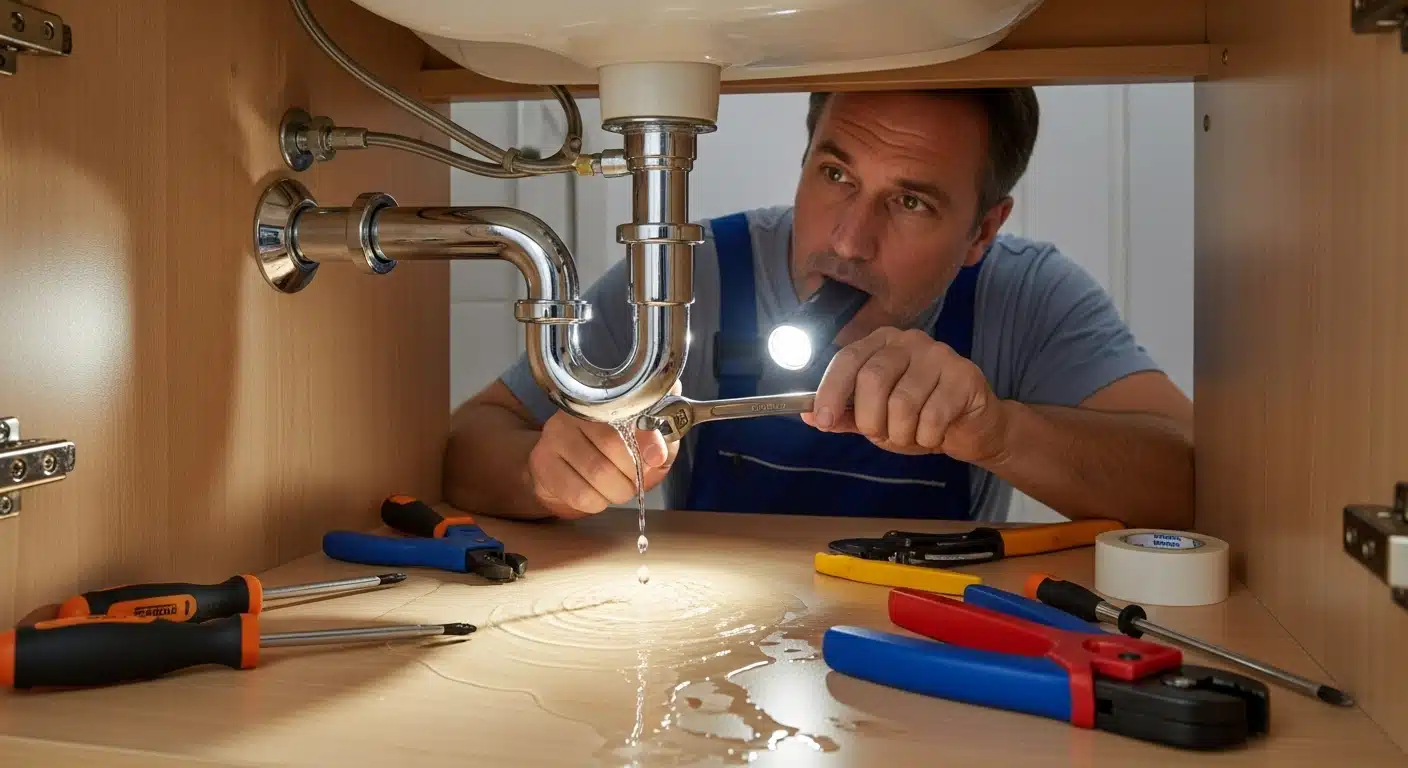
- Behind walls after plumbing leaks
- Crawl spaces
- Bathrooms and kitchens
- Around windows
- Under flooring after spills or floods
- Attics with ventilation issues
- HVAC systems
If your home uses a swamp cooler, pay close attention to ceilings and upper level walls. Moisture buildup can happen fast.
What You Should Do If You Find Mold
Here is the part most homeowners get wrong. DIY cleanup can easily make the situation worse if you are dealing with anything more than light surface mildew.
Scrubbing mold, spraying cleaner, or wiping it with bleach often sends spores into the air and drives the problem deeper into materials.
Step 1: Stop the moisture source
Turn off leaking water, shut down swamp coolers if needed, and improve airflow in the area.
Step 2: Avoid disturbing the mold
Touching or scrubbing sends spores into the air.
Step 3: Take pictures for insurance
Documenting the problem helps with claims later.
Step 4: Call a certified mold remediation team
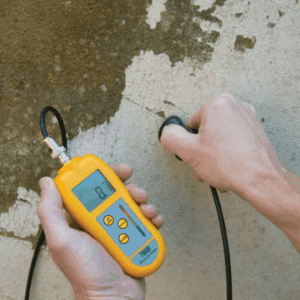
Professionals handle containment, air purification, and complete removal.
At Utah Flood Cleanup, we walk homeowners through every step. In most cases, we offer free inspections so you know exactly what you are dealing with before committing to service.
Why Professional Mold Removal Matters
DIY cleanup can work on small surface level mildew, but harmful mold is a different story. Once it grows into drywall, insulation, framing, or HVAC systems, you need specialized equipment and training to remove it safely. That is where professional mold removal becomes essential.
Professional help ensures:
- Safe containment to stop mold from spreading
- HEPA air filtration
- Moisture detection to prevent regrowth
- Removal of contaminated materials
- Thorough cleaning and sanitizing
- Help with insurance claims
Your home’s air quality and your family’s health depend on getting it done right.
Our Real World Experience With Mold Problems in Utah
As a trusted local restoration company, Utah Flood Cleanup has helped hundreds of homeowners get rid of mold safely. Most of the cases we see start small and turn into bigger problems because the mold was disturbed or ignored.
We understand Utah’s climate, common building materials, and how quickly mold growth spreads in basements and crawl spaces. Our team is certified, insured, and available around the clock.
Ready To Take Action?
If you are dealing with mold or you suspect hidden growth in your home, a quick inspection can save you time, stress, and money. You can explore our Mold Damage Restoration service or request a free inspection to get clarity on what is going on behind the scenes.
No pressure. Just straight answers from a local team that knows what to look for.
Mold Questions Homeowners Ask Often
Can I clean mold myself?
Surface mildew on tile or grout can be wiped away. But any mold on drywall, insulation, wood, or carpet should be handled by a professional. DIY efforts often spread spores deeper.
Does black mold always mean danger?
Not every dark mold is toxic, but Stachybotrys is a serious concern. If you see black mold in damp areas, do not disturb it.
How fast does mold spread?
With enough moisture, mold can start growing within 24 to 48 hours. It spreads even faster in dark, humid spaces behind walls or under floors.
Will insurance cover mold removal?
Coverage depends on the cause. Sudden water damage like a burst pipe is often covered. Long term moisture issues usually are not. A free inspection helps you know what applies.
What types of mold grow the most in Utah?
Black mold, Aspergillus, Penicillium, Cladosporium, and Alternaria are the most common in local homes. Crawl spaces and basements are the top hotspots.
Take Control of Mold Before It Grows
Knowing what type of mold to worry about is the first step. Acting quickly is the second. The longer the mold sits, the more it spreads and the more it affects your home’s structure and air quality.
If you are unsure what you are dealing with or if something in your home smells off, it is worth having an expert take a look. Utah Flood Cleanup offers free inspections, 24-hour emergency response, and full cleanup and remediation services for families across Ogden and Northern Utah.
You can explore more of our mold, water, and flood restoration resources or reach out to schedule an inspection when you are ready.

- What Happens When A Pipe Bursts In Your Bathroom? - December 11, 2025
- What Type of Mold Should I Be Worried About? - December 10, 2025
- What Are Good Fire Prevention Tips for Holidays? - November 17, 2025