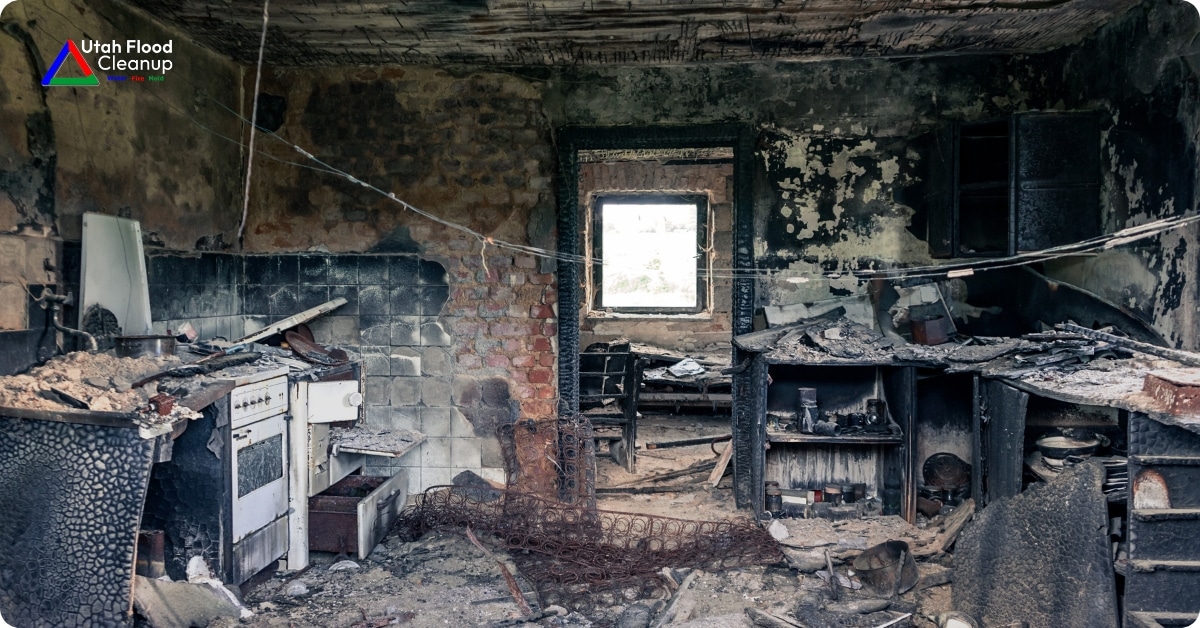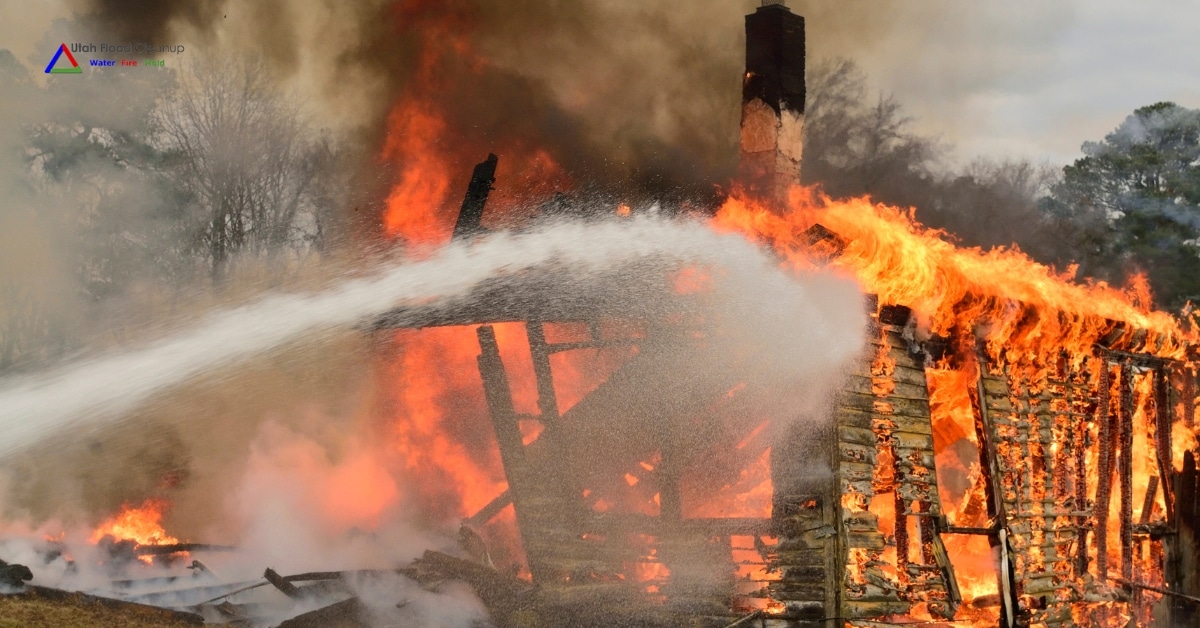
A beautiful home can be quickly consumed by fire. The good news is that most house fires are easily preventable. Whether it is a forgotten pan on the stove or a faulty outlet, small moments of inattention can lead to big losses.
At Utah Flood Cleanup, we have helped hundreds of homeowners across Ogden and Northern Utah recover from fires and rebuild safely. As a trusted local restoration company, we are passionate about helping you prevent disasters before they start.
Here is what you need to know about the most common causes of house fires and how you can reduce the risks in your own home.
What Are the Most Frequent Causes of Home Fires?
Fire safety awareness should be a priority in every household. Every family member should understand how everyday habits can turn into hazards and know their role in keeping the home safe. Awareness starts with identifying these common causes of house fires and taking small steps to prevent them.
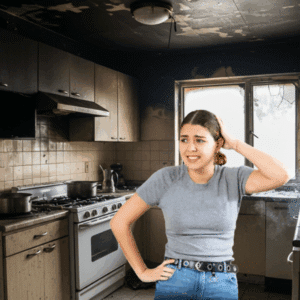
1. Cooking Fires
FEMA reports that more than 50% of home fires start in the kitchen. Distractions such as phone calls or multitasking lead to unattended pots or pans that overheat and ignite grease.
Fire Safety Tip: Always stay near the stove while cooking, and never leave food unattended, even for a few minutes. Keep flammable materials away from burners and install a smoke alarm near (but not inside) the kitchen. For more prevention ideas, see how to prevent fire hazards in the kitchen.
2. Portable Heaters
Space heaters and built-in heating systems account for nearly 5% of all residential fires. Placing heaters too close to curtains, furniture, or bedding is extremely dangerous.
Fire Safety Tip: Keep heaters at least three feet from anything flammable. Have them inspected annually to ensure safe operation.
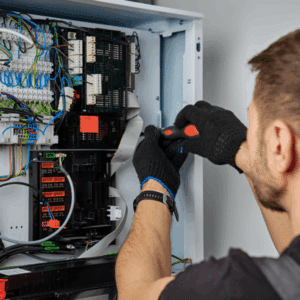
3. Electrical Appliances and Wiring
Faulty outlets, overloaded power strips, and frayed cords are responsible for about seven percent of house fires.
Fire Safety Tip: Never overload outlets. Replace damaged cords and schedule professional inspections for older homes to identify worn or outdated wiring.
4. Smoking Indoors
More than half of fatal home fires begin in bedrooms, most often caused by smoking in bed.
Fire Safety Tip: Always smoke outdoors. Use deep, sturdy ashtrays, and make sure cigarette butts are fully extinguished before disposal. Review our checklist for preventing bedroom fires.
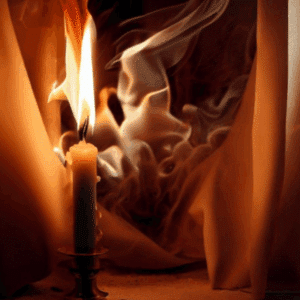
5. Candles and Open Flames
Candles add warmth and relaxation, but unattended flames can cause devastation within minutes.
Fire Safety Tip: Keep candles away from curtains, bedding, and paper. Always blow out candles before leaving a room or going to bed.
6. Overloaded Power Strips and Extension Cords
According to the Electrical Safety Foundation International (ESFI), more than 3,300 home fires start from overloaded power strips each year.
Fire Safety Tip: Avoid daisy-chaining extension cords and only use UL-listed power strips. Unplug unused devices and replace damaged ones immediately.
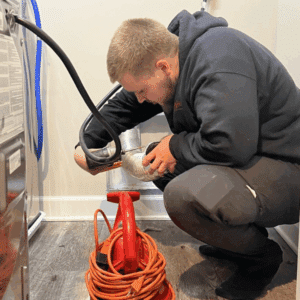
7. Dryer Lint Buildup
Clogged lint traps are an often-overlooked cause of fires.
Fire Safety Tip: Clean the lint filter after each use and schedule annual vent cleanings to prevent dangerous heat buildup. Learn more about why not cleaning a dryer vent could lead to a fire.
8. Flammable Liquids and Chemicals
Improperly stored paint, gasoline, and cleaning agents can ignite easily when exposed to heat or sparks.
Fire Safety Tip: Store flammables in a cool, ventilated area, away from heat sources and direct sunlight.
9. Children Playing with Fire
Matches and lighters in the hands of children cause thousands of preventable fires every year.
Fire Safety Tip: Store all ignition sources out of reach and teach children early about fire safety.
10. Outdoor Grills and Fire Pits
Grilling too close to walls, decks, or siding can lead to major fires.
Fire Safety Tip: Keep grills at least ten feet away from your home and never leave them unattended while cooking. If you are using seasonal décor, also review these holiday fire safety tips.
11. Holiday Lights and Decorations
Frayed cords or overloaded outlets during the holidays create a major risk.
Fire Safety Tip: Check lights for wear, avoid overloading circuits, and unplug decorations before going to bed.
General Fire Safety in Your Home
Beyond the specific causes above, here are essential steps every homeowner should take to protect their property and loved ones:
-
Schedule annual home fire safety inspections of wiring, gas lines, HVAC systems, and chimneys.
-
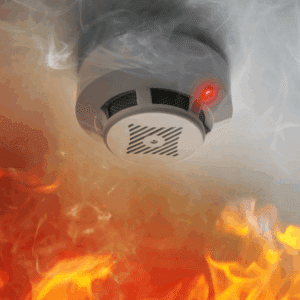
Maintain working smoke detectors in every bedroom and hallway.
-
Store flammable liquids safely and away from heat sources.
-
Supervise children to prevent playing with matches or lighters.
-
Stay alert when using open flames, grills, or fireplaces.
-
Keep fire extinguishers accessible in your kitchen, garage, and laundry area. If you need a quick refresher, here is how to use your home fire extinguisher.
-
Review your home insurance policy regularly for adequate coverage.
These precautions can make the difference between a minor scare and a devastating loss.
Why Choose Utah Flood Cleanup
We are not just another restoration company. We are Utah’s trusted disaster recovery team.
Utah Flood Cleanup is locally owned and operated, serving cities across Utah for more than a decade.
We work directly for you, not your insurance company, so our focus is on quality, honesty, and long-term results rather than cutting corners.
Certifications and Credentials:
-
IICRC WTR, ASD, CDS Certified
-
Certified Mold Professional
-
RRP Certified, Asbestos Contractor/Supervisor and Inspector
-
Fully Licensed and Insured
-
Adherence to ANSI IICRC S-500 and S-520 Standards
We provide:
-
24/7 Emergency Service (1-hour average response)
-
Free Inspections for insurance-covered damage
-
Direct Insurance Billing
-
Guaranteed Restoration Work
-
Financing Options Available
Fire Damage Restoration Services
Our fire restoration process covers everything from cleanup to reconstruction:
-
Emergency Board-Up and Damage Assessment
-
Smoke and Soot Removal
-
Odor Neutralization
-
Structural Drying and Repair
-
Full Restoration and Insurance Coordination
Explore related guidance on types of smoke damage and how to fix it.
Frequently Asked Questions
Does homeowners' insurance cover fire damage restoration?
Yes. Most homeowner's policies cover damage caused by accidental fires, smoke, and even water used in firefighting. For details on coverage and next steps, see fire insurance coverage and fire damage cleanup. Utah Flood Cleanup assists you directly with insurance paperwork to make the process faster and stress-free.
How soon can you respond after a fire?
We are available 24/7 and typically arrive within one hour across Northern Utah, including Ogden, Layton, and Bountiful. Our goal is to minimize secondary damage and start restoration immediately.
How long does fire restoration take?
Smaller fires can be restored in about three to seven days, while more extensive structural repairs may take longer. We provide a clear timeline after the initial inspection so you know exactly what to expect.
Can you remove smoke odors completely?
Yes. Our team uses ozone treatment and thermal fogging to neutralize odors at the molecular level, ensuring your home smells fresh again.
Do you work directly with insurance companies?
Yes. We handle all documentation, photos, and claim communication on your behalf. We work for you, not your insurer, to make sure your home is restored properly without rushed or incomplete repairs.
What areas do you serve?
We proudly serve Ogden, Layton, Bountiful, Salt Lake City, Logan, and other Northern Utah communities. If you need localized service support, start here: Ogden Utah fire damage restoration repair services.
For step-by-step guidance after an incident, review what to do after a house fire.
Service Area and Map
Proudly Serving:
• Ogden• Layton
• Bountiful
• Salt Lake City
• Logan
• Farmington
• Brigham City
• Roy
• Syracuse
• Clearfield
Ready to Protect Your Home from Fire Damage?
Proudly serving Ogden and surrounding Northern Utah communities.
Your home deserves fast, professional care and a team that truly cares about your recovery. Call our certified technicians now for 24/7 help or schedule a free inspection today.
Get a Free Estimate Call (801) 416-2666

- What Happens When A Pipe Bursts In Your Bathroom? - December 11, 2025
- What Type of Mold Should I Be Worried About? - December 10, 2025
- What Are Good Fire Prevention Tips for Holidays? - November 17, 2025