Water Damage Cleanup and Restoration
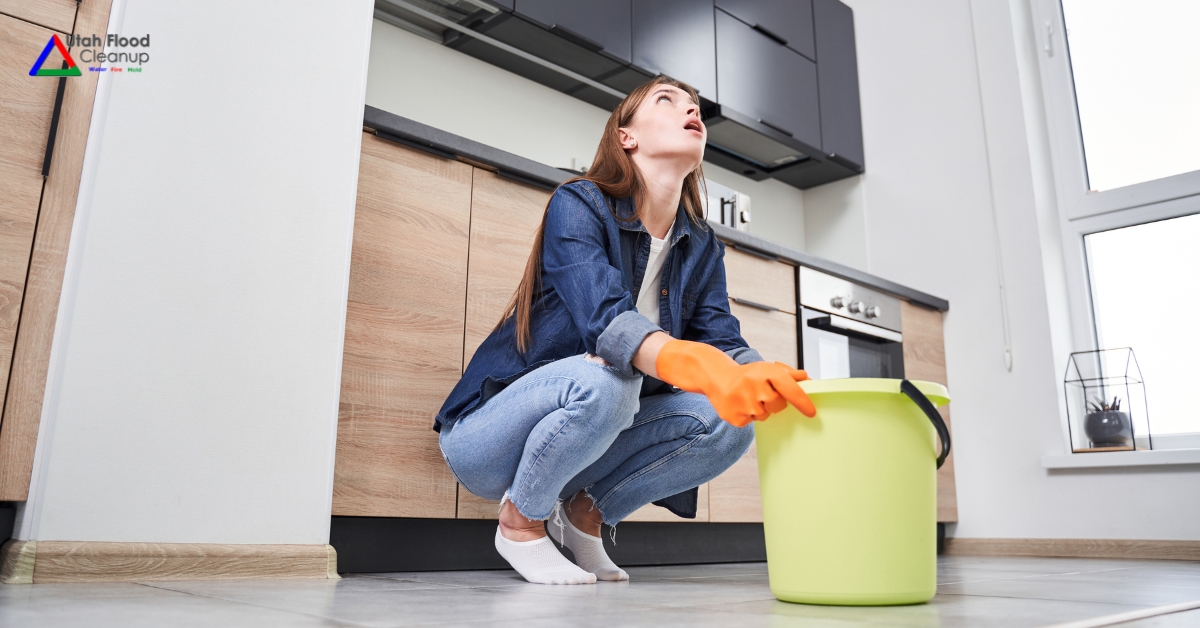
The first step in water damage cleanup and restoration is to remove any standing water from the affected areas. This can involve professional-grade water extractors, pumps, and vacuums. Removing the water quickly helps minimize further damage to your property and belongings and helps prevent mold and bacteria growth.
The time it takes to clean up and restore water damage can depend on several factors, including the extent of the damage, the size of the area involved, and the materials affected. Small, localized areas may be cleaned and dried within a few days. However, larger areas of damage or situations where water has been allowed to soak into walls, furniture, and other materials may take a few weeks to dry and restore fully.
Whether or not you can stay in your home during the restoration process depends on the severity of the damage. For minor damage, you may be able to continue living in your home while the restoration work is done, provided it does not cause disruption and safety risks. However, for severe scenarios that may pose health risks, like black water contamination or large-scale mold growth, it's advisable to find temporary accommodation until the restoration process is complete.
Whether your insurance will cover water damage restoration often depends on the specific terms of your policy and the cause of the damage. While sudden and accidental incidents like burst pipes are typically covered, damage from neglect or lack of maintenance might not be. Always contact your insurance agent to confirm what your policy covers.
Signs of water damage can vary but often include discoloration (yellow, brown, or copper-colored stains) on walls, ceilings, or floors, a musty or damp smell, peeling paint or wallpaper, and a significant increase in humidity levels. Additional signs include visible mold growth or water pooling in certain areas.
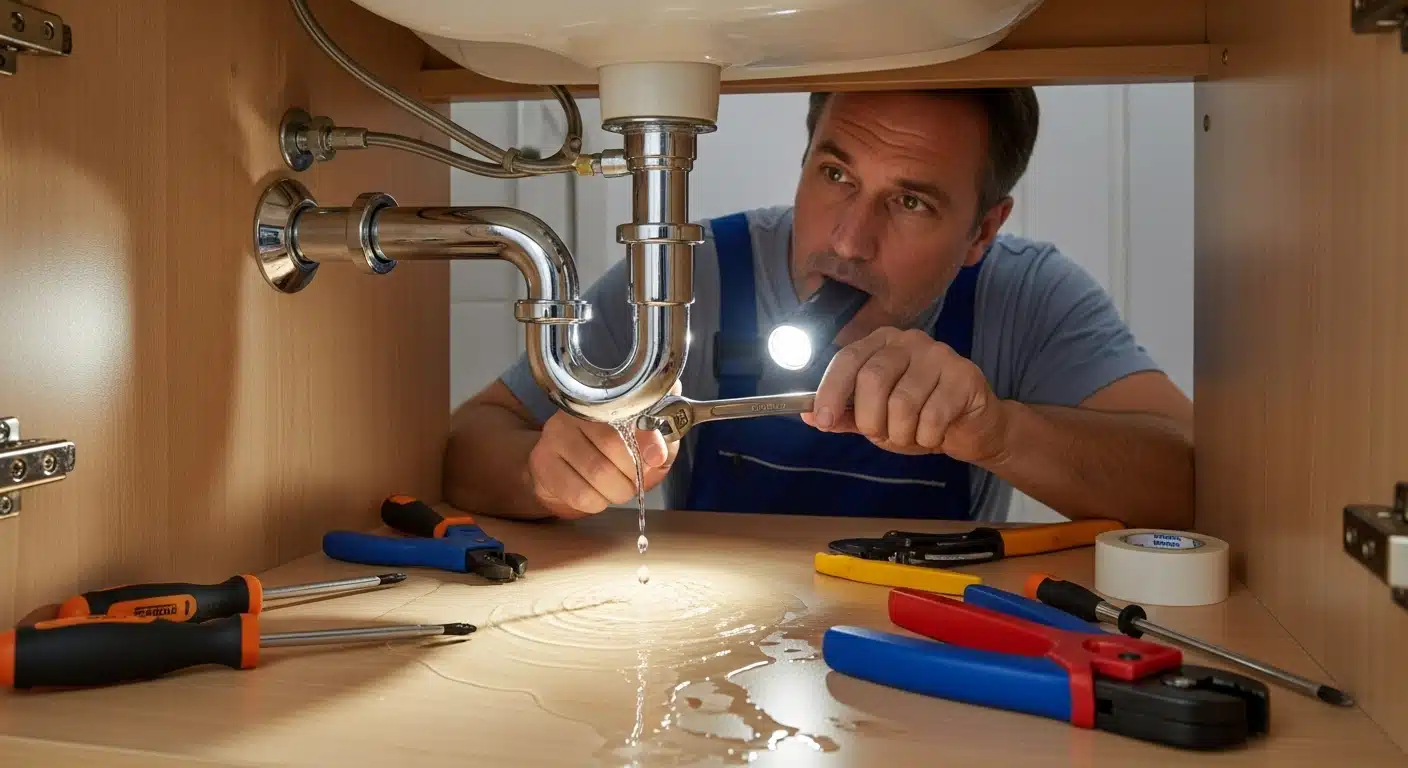
Many circumstances can cause water damage. Indoor plumbing problems like leaky pipes, overflowing sinks and toilets, appliance malfunctions, or HVAC system issues can all lead to water damage. Natural disasters, heavy rainfalls, and flooding can also result in significant damage.
Yes, when left untreated, water damage can lead to mold growth. The damp environment caused by water incursion is perfect for mold development, which can start within 48 to 72 hours of the damage.
Regular maintenance is key to preventing water damage. Inspect your home for leaks regularly, keep your gutters clean, check and maintain your appliances regularly, and pay attention to your water bill—an unexpected increase could indicate a leak. Also, monitor humidity levels in your home to ensure they’re not high enough to promote mold growth.
While minor water damage like a small leak can often be handled by homeowners, more extensive damage typically requires professional help. Water damage professionals have the training, experience, and tools to properly diagnose the extent of the damage, thoroughly dry and restore affected areas, and ensure hidden moisture is addressed.
Flood Damage Cleanup and Restoration
Flood damage cleanup and restoration is a multi-stage process. It begins with an assessment of the extent of the damage, followed by water extraction and debris removal. Afterward, areas are dried and dehumidified to prevent mold and bacterial growth. Damaged materials such as flooring, drywall, and others may need to be replaced, and then the area is cleaned and sanitized. Finally, pre-flood conditions are restored, which may include structural repairs, repainting, flooring installation, and more.
You should contact a flood damage restoration company as soon as it is safe. Flood water can cause serious damage to your property's structural integrity and can also lead to mold growth within 48-72 hours. An immediate response helps minimize further damage and starts the water removal and cleanup process.
The duration depends on the severity of the flood damage, the amount of water involved, and the size of the affected area. The process could last a few days to a week for minor flooding. However, for extensive flood damage, it could take a few weeks to several months to fully restore your property.
This will depend on the specifics of your policy and the cause of the flooding. While many policies cover flooding due to internal causes like burst pipes or appliance malfunctions, flooding caused by external factors like heavy rain, river overflow, or natural disasters may not be covered unless you have specific flood insurance. It’s best to contact your insurance provider for clarification.
Flooding can lead to several health risks, including exposure to contaminated water, harmful bacteria, and mold. Prolonged exposure to these can lead to respiratory issues, skin infections, allergic reactions, and other health concerns. This is why it's crucial to have a professional flood damage restoration team handle the cleanup and restoration.
The safety of staying in your home during the restoration process largely depends on the extent of the damage. In severe cases, the structural integrity of your home may be compromised, or there may be potential health risks from contaminated water or mold, in which case it would be safer to relocate temporarily.
While minor water damage may be manageable for homeowners, flood damage is often extensive and requires professional attention. Professionals bring specialized equipment for water extraction, drying, dehumidification, sanitation, and the necessary protective gear to handle contaminated water and materials.
You can take steps to mitigate flood damage by ensuring your home’s drainage systems are functioning properly, installing a sump pump if you live in a high-risk area, keeping valuable items and documents in waterproof containers, and having an emergency plan in place for your family and pets.
Quick action is crucial to prevent mold after a flood. Mold can start growing within 48-72 hours in a damp environment. After water extraction, it's essential to thoroughly dry and dehumidify all affected areas. Professional flood restoration services often include mold prevention measures in their cleanup process.
Mold Damage Cleanup
The cleanup process begins with a professional inspection to assess the extent and type of mold present. Then, containment procedures are implemented to prevent the spread of mold during the cleanup process. Specialized filtration equipment helps capture microscopic mold spores out of the air. Next, mold-infested materials like carpeting and drywall are removed, while other surfaces are cleaned with antimicrobial and antifungal treatments. The area is then cleaned and sanitized, including furniture, curtains, and other restorable items affected by mold.
Mold can be hazardous to health if not handled correctly and can also cause significant damage to property. Professionals are trained to handle mold safely and effectively and have specialized equipment for mold removal and restoration. They also know how to prevent cross-contamination and ensure that all mold spores are effectively removed.
The duration depends on the extent of mold growth and the areas it affects. A small area could be remediated within a few days, while extensive mold damage could take several weeks to address fully.
Homeowners can often treat small areas of mold (less than 10 square feet) using a mild detergent and water. However, professionals should handle larger infestations or mold caused by sewage or contaminated water to ensure safe and effective mold removal.
Mold exposure can lead to a variety of health issues, such as allergic reactions, asthma attacks, chronic sinus problems, and respiratory infections. Certain types of mold, like black mold, can cause more severe health complications if not appropriately addressed.
Whether your insurance will cover mold damage restoration costs depends on the specifics of your policy and the cause of the mold. Your policy might cover the costs if the mold was caused by a covered peril, like a burst pipe. However, if it resulted from neglect or a lack of maintenance, it's less likely to be covered.
Quick action is critical to preventing mold growth following water damage. The affected areas should be dried within 24-48 hours to prevent mold spores from growing. Hiring professional water damage restoration services can also ensure that all moisture is effectively removed.
If you discover mold in your home, try not to disturb it, as this can release mold spores that can spread throughout your home. Do not attempt to dry the area using fans, as this can also spread mold spores. Contact a professional mold removal company like Utah Flood Cleanup immediately.
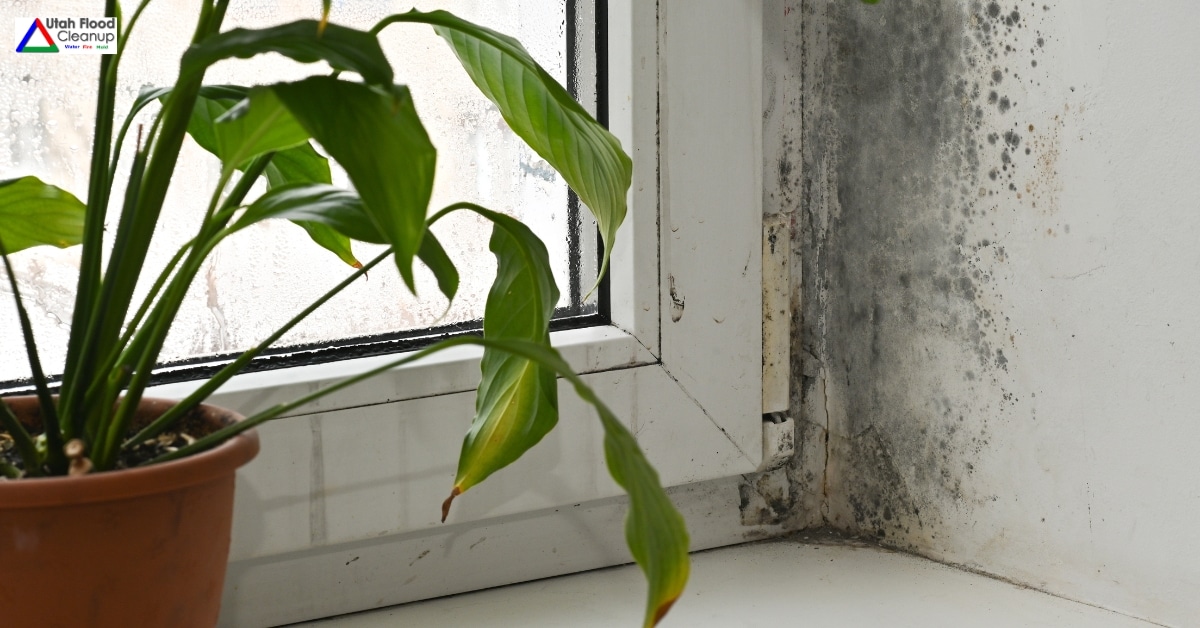
Signs of mold damage include visible mold growth, which may appear as black, green, or even red discoloration on surfaces. Another sign is a persistent musty odor. Mold can also cause health symptoms such as allergies, chronic sinusitis, headaches, and breathing difficulties.
Fire Damage Cleanup and Restoration
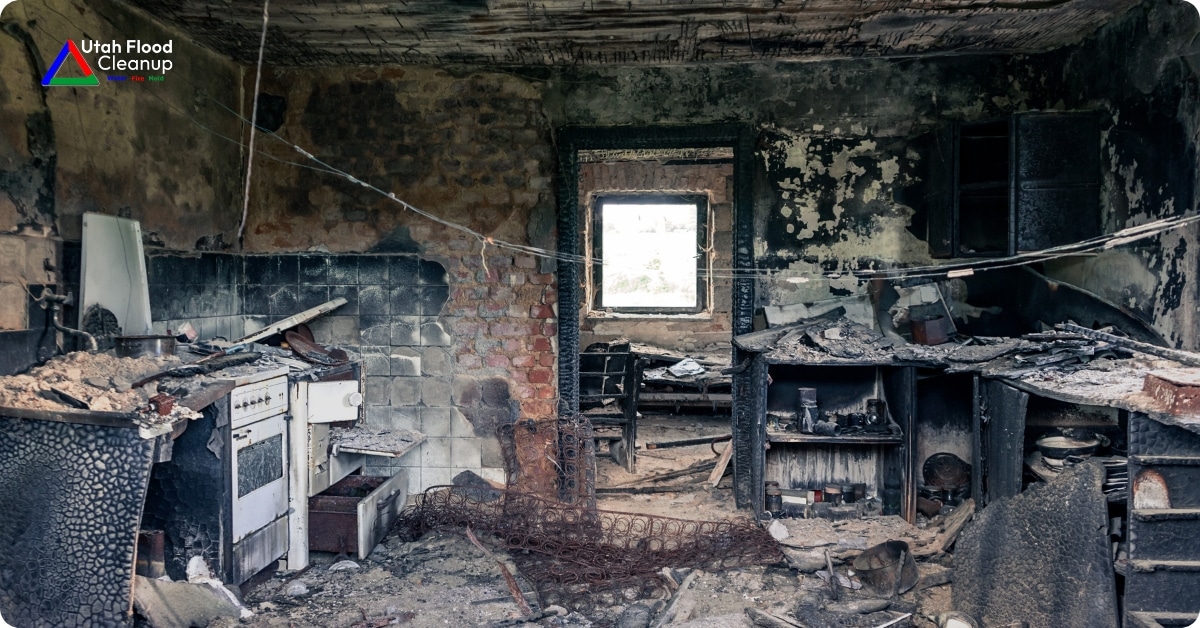
The cleanup and restoration process begins with an inspection and damage assessment, followed by immediate board-up and roof tarp service to maintain security. If water damage is present, water removal and drying are then performed. This is followed by removal of smoke and soot from all surfaces, cleaning, repair, and restoration. In severe cases, major reconstruction may be required.
The length of the process largely depends on the extent of the fire and smoke damage. Minor repairs may take a few days, while more extensive damage could require several weeks or even months to fully restore.
Whether you can live in your home during the restoration depends on the extent of the damage. If there's structural damage, or if utilities like water, electricity, and heating are affected, it may be safer to find temporary accommodation.
Most homeowners' insurance policies cover damage from fire and smoke. However, reviewing your specific policy or speaking directly with your insurance provider is essential to understand exactly what is covered.
While it might be tempting, it's often not safe to do so. Fire and smoke damage can create unsafe conditions, including structural instability and exposure to hazardous substances. Professionals have the training and equipment to manage these risks effectively.
It depends on the extent of the damage. Many items can be cleaned and restored, but others might be irreparable. A professional restoration company will thoroughly assess all items and provide recommendations.
After everyone's safety has been ensured, and the fire department has cleared your home, you should notify your insurance company and contact a professional restoration service like Utah Flood Cleanup. Avoid trying to clean anything yourself, as improper handling can exacerbate damage.
Even after a fire is extinguished, health risks can persist. These include potential exposure to soot, dust, and other contaminants that can lead to respiratory issues. Additionally, water used to extinguish the fire can lead to mold growth if not promptly addressed.
Once the fire department has deemed it safe, securing your property is crucial. This can include boarding up openings and placing tarps on damaged roofs to protect it from the elements and unauthorized entry.
Smoke Cleanup
Smoke cleanup involves removing soot and damage residue from all affected surfaces, deodorizing to remove the smoke smell, cleaning and sanitizing affected items, and restoring your property to its pre-loss state. All these processes are carried out using specialized equipment and techniques.
The length of the cleanup process depends on the severity of the smoke damage and the size of the affected area. It can range from a few days to weeks or even longer in severe cases.
While it might be tempting, cleaning up smoke damage can cause more harm than good. Smoke residues are often acidic and can damage surfaces and belongings if improperly handled. Professionals have the right tools, knowledge, and equipment to clean up smoke damage effectively and safely.
Most homeowners' insurance policies typically cover smoke damage cleanup. However, you must check your specific policy or consult your insurance provider directly to confirm your coverage.
Left untreated, smoke residue can discolor walls, cause surface corrosion and etching, and leave a persistent smell. The toxic chemicals often present in smoke can also cause health issues.
Professionals use industrial-grade deodorizers, ozone generators, and thermal fogging to neutralize and remove the smell of smoke. Air scrubbers may also be used to clean and filter the air.
After securing everyone's safety, the first step is to contact your insurance company and a professional restoration service like Utah Flood Cleanup. Avoid cleaning anything yourself, as improper handling of smoke residue can lead to further damage.
Yes, smoke can permeate spaces far from the source of the fire, causing damage and odor in areas you might not expect. Smoke can enter and damage your HVAC system, spreading soot and odors throughout your home.
Smoke tends to impact almost every material, but porous materials like fabric, carpeting, and wood often absorb and hold smoke odors more. Electronics are also susceptible to smoke damage as smoke's magnetic charge can short circuits and cause overheating.